1. Introduction
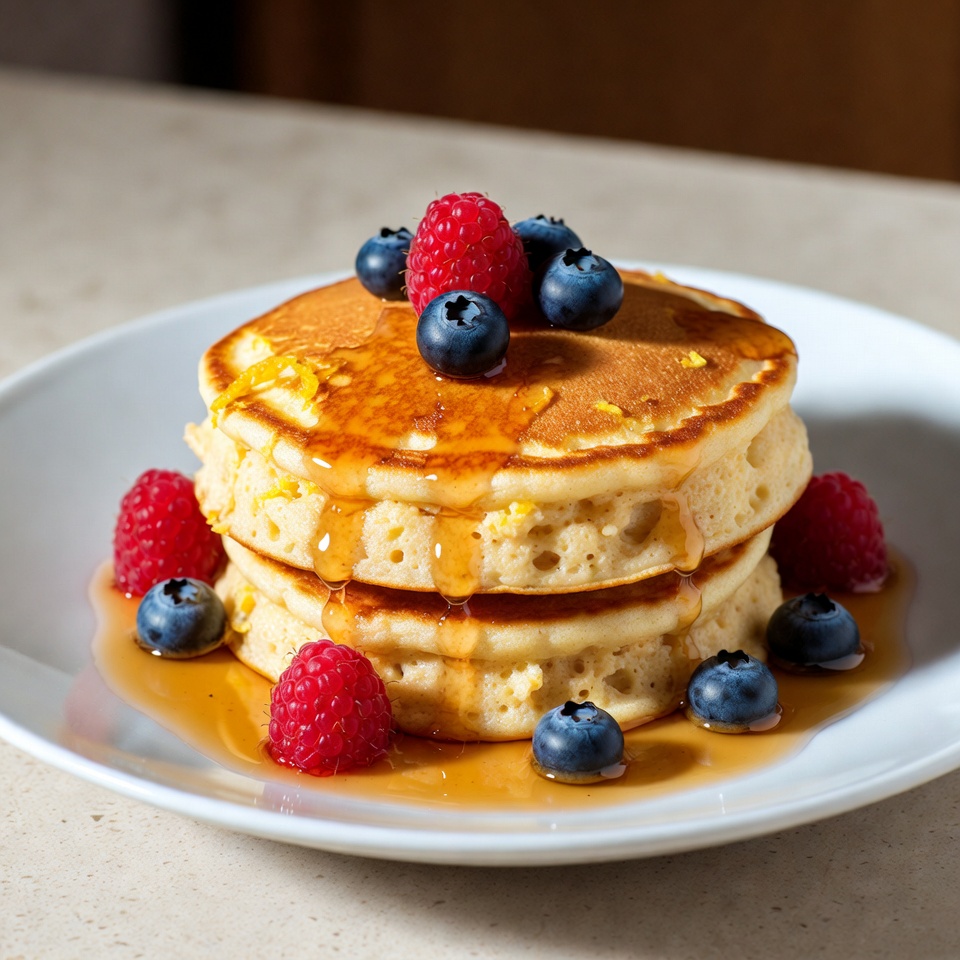
There is a specific kind of alchemy that happens in a quiet kitchen on a Sunday morning when the sharp, clean scent of freshly grated lemon zest meets the warm, buttery aroma of a heating griddle. For many, breakfast is a functional affair, butLemon Breakfast Pancakes—particularly those elevated with creamy ricotta or tangy buttermilk—transform the first meal of the day into a sophisticated culinary event.
While the classic pancake has roots stretching back to Ancient Greece and Rome, the “Lemon Pancake” as we know it today is a product of modern fusion. It marries the hearty, comforting structure of the American flapjack with the bright, citrus-forward profiles favored in Mediterranean and coastal European cuisines. This dish gained significant traction in the mid-20th century in boutique California cafes, where chefs sought to lighten the traditionally heavy breakfast fare by utilizing local citrus groves.
The significance of this recipe lies in its balance. It challenges the notion that a pancake must be a syrupy, heavy weight on the stomach. Instead, the acidity of the lemon acts as a culinary “brightener,” cutting through the richness of the butter and eggs, while simultaneously reacting with leavening agents to create a chemical lift that results in an ethereal, cloud-like texture. It is a dish that tells a story of sunshine, freshness, and the simple joy of a meal made with intention.
2. Recipe Overview
- Cuisine Type:Modern American / Mediterranean Fusion
- Difficulty Level:Intermediate (requires gentle folding techniques)
- Total Preparation Time:15 minutes
- Total Cooking Time:15–20 minutes
- Dietary Classifications:Vegetarian. (Can be easily adapted for Gluten-Free or Dairy-Free diets).
3. Equipment and Tools
To achieve the professional “golden-brown” finish and uniform height seen in high-end bistros, the following tools are essential:
- 12-inch Non-Stick Skillet or Cast Iron Griddle:A flat surface with consistent heat distribution is vital. A heavy-bottomed pan prevents “hot spots” that burn the batter before it cooks through.
- Microplane or Fine Zester:You want the zest to be almost microscopic. Avoid the bitter white pith at all costs; a high-quality zester ensures you only get the aromatic yellow oils.
- Mixing Bowls:One large glass bowl for dry ingredients and one medium bowl for whisking wet components.
- Silicone Spatula:Essential for the “folding” technique, which preserves air bubbles in the batter.
- Stainless Steel Thin Turner:A flexible spatula allows you to slide under the delicate pancake without tearing the edges.
- Measuring Tools:A digital kitchen scale is recommended for the flour (to avoid packing), along with standard liquid measuring cups.
4. Serving Suggestions
Plating Recommendations:
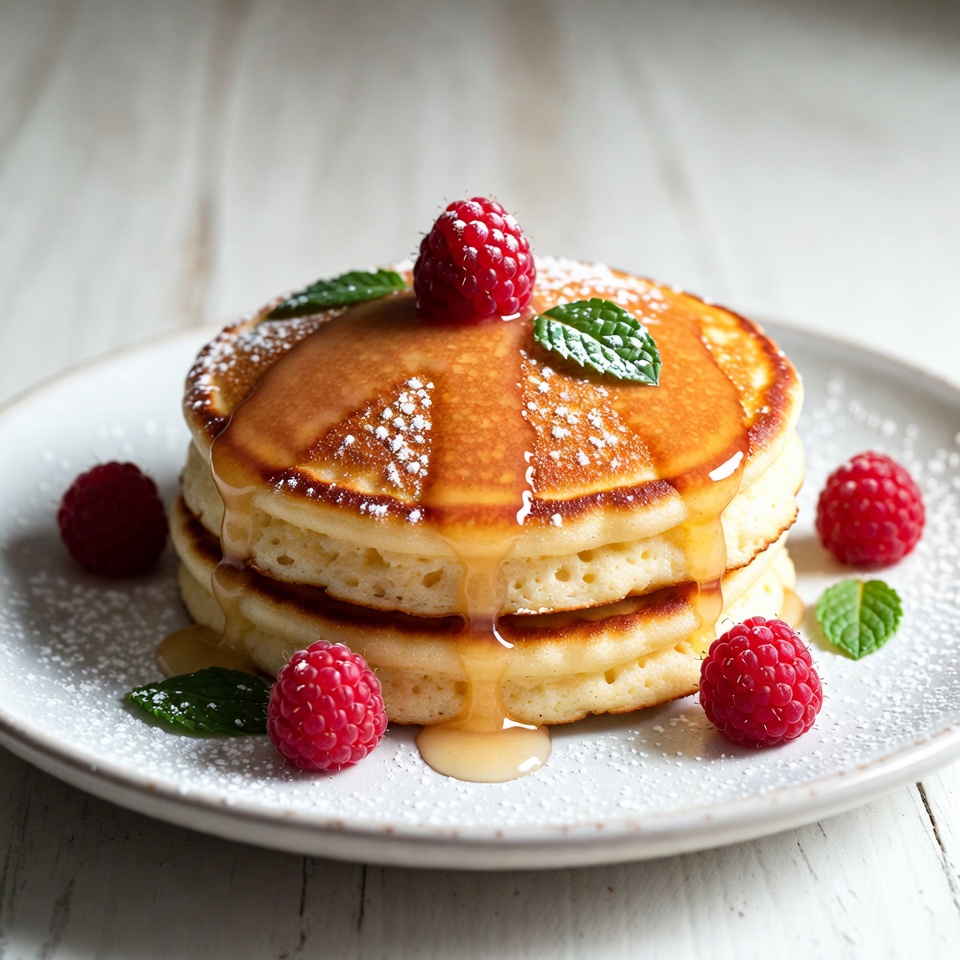
For a professional aesthetic, stack three pancakes in a slight “shingle” pattern rather than a straight vertical tower. This allows each layer to breathe and provides more surface area for toppings.
Garnish Ideas:
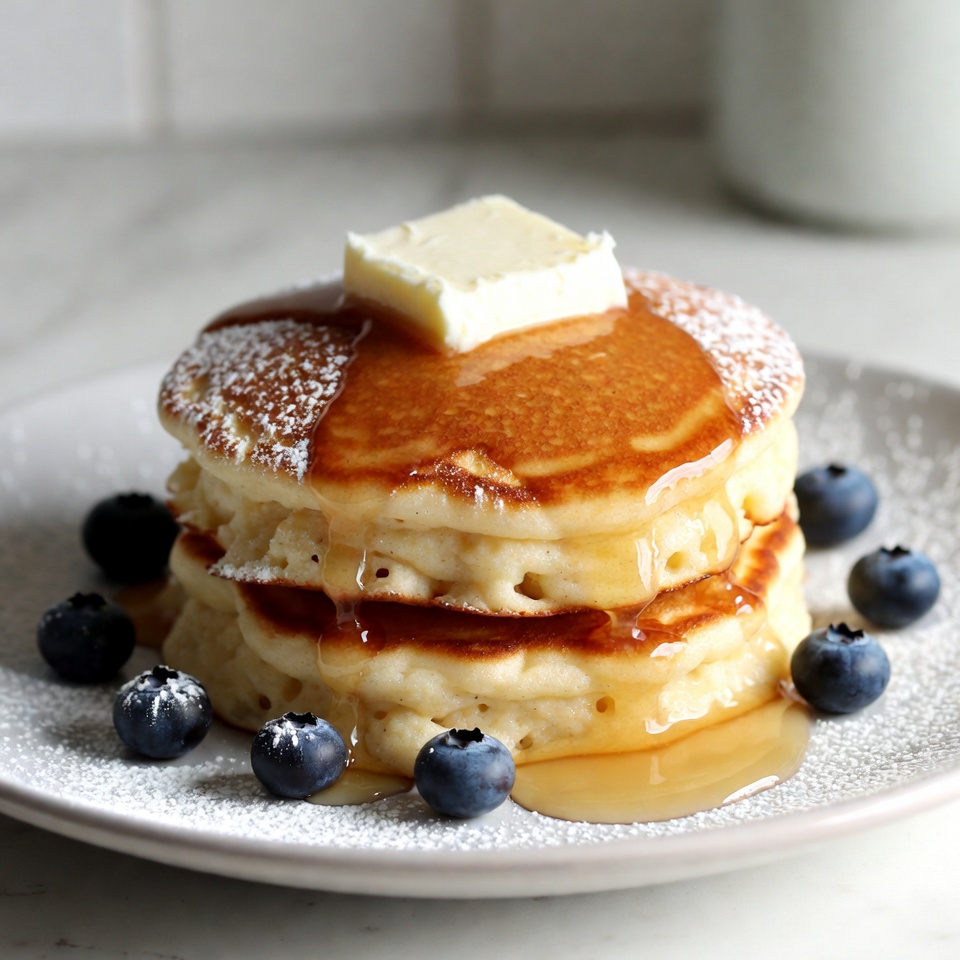
- A light dusting of confectioners’ sugar (powdered sugar).
- Fresh organic raspberries or blueberries to contrast the yellow hue.
- A dollop of whipped mascarpone or crème fraîche.
- Candied lemon peel for a chewy, sweet-tart finish.
Beverage Pairings:
- Non-Alcoholic:A hot cup of Earl Grey tea, which contains bergamot—another citrus that complements the lemon perfectly.
- Alcoholic:A crisp, dry Prosecco or a classic Mimosa. The carbonation acts as a palate cleanser between bites of the rich, buttery pancake.
5. Nutritional Information
(Values are estimated per serving of 2 large pancakes)
| Nutrient | Amount | % Daily Value |
| Calories | 320 kcal | 16% |
| Total Fat | 14g | 18% |
| Saturated Fat | 7g | 35% |
| Cholesterol | 85mg | 28% |
| Sodium | 480mg | 21% |
| Total Carbohydrates | 38g | 14% |
| Dietary Fiber | 1.5g | 5% |
| Total Sugars | 9g | – |
| Protein | 11g | 22% |
Potential Health Benefits:Lemons are an excellent source of Vitamin C and flavonoids, which have antioxidant properties. By using ricotta cheese (optional variation), you also increase the calcium and protein content, making the meal more satiating.
6. Storage and Reheating
- Refrigeration:Place cooled pancakes in an airtight container with parchment paper between each layer. They will remain fresh for up to 3 days.
- Freezing:These pancakes freeze exceptionally well. Flash-freeze them in a single layer on a baking sheet for 1 hour, then transfer to a freezer-safe silicone bag. Use within 2 months.
- Reheating:To maintain the crisp exterior,avoid the microwave. Instead, use a toaster oven at 350°F (175°C) for 4 minutes, or reheat in a dry skillet over low heat until the edges regain their crunch.
7. Expert Tips and Variations
Professional Chef Tips
- The “Lumpy” Rule:Never whisk the batter until smooth. If you do, you have overdeveloped the gluten, resulting in a rubbery pancake. Stop when you see small lumps of flour.
- Room Temperature Ingredients:Take your eggs and dairy out of the fridge 30 minutes before cooking. Cold ingredients can cause the melted butter to seize and clump.
- The Sizzle Test:Flick a drop of water onto the pan. If it “dances” and evaporates instantly, the temperature is perfect.
Creative Variations
- Lemon Poppy Seed:Add 1 tablespoon of blue poppy seeds to the dry mix for an earthy crunch.
- Lemon-Ginger:Add 1/2 teaspoon of freshly grated ginger to the wet ingredients for a spicy kick.
- Blueberry Infusion:Do not stir blueberries into the batter. Instead, drop them manually into the pancake once it is on the griddle to prevent the juice from turning the batter purple.
8. Ingredients Section
Dry Ingredients
- All-Purpose Flour:250g (approx. 2 cups) –Sifted to ensure maximum aeration.
- Granulated Sugar:50g (1/4 cup) –Preferably organic cane sugar.
- Baking Powder:2 tsp.
- Baking Soda:1/2 tsp.
- Fine Sea Salt:1/2 tsp.
Wet Ingredients
- Buttermilk:350ml (1.5 cups) –The acidity is key for the lift.
- Whole Milk Ricotta:120g (1/2 cup) –Optional, for a denser, creamier center.
- Large Eggs:2, lightly beaten.
- Fresh Lemon Juice:60ml (1/4 cup) –About 2 lemons.
- Lemon Zest:2 tbsp.
- Unsalted Butter:45g (3 tbsp), melted and slightly cooled.
- Vanilla Extract:1 tsp.
9. Step-by-Step Instructions
- Aromatic Infusion:In a small bowl, combine the sugar and lemon zest. Use your fingers to rub the zest into the sugar until it becomes fragrant and slightly damp. This releases the essential oils for a deeper citrus flavor.
- Sifting Dry Goods:In a large bowl, sift together the flour, baking powder, baking soda, and salt. Whisk in the lemon-sugar mixture.
- Whisking the Base:In a separate medium bowl, whisk the buttermilk, eggs, lemon juice, melted butter, and vanilla until well combined. (If using ricotta, whisk it in here as well).
- The Integration:Create a well in the center of the dry ingredients. Pour in the wet mixture. Using a spatula, fold the ingredients together using a “cut and turn” motion.Stopas soon as the last streak of flour disappears.
- Resting the Batter:Let the batter sit for10 minutesat room temperature. You will see small bubbles forming on the surface; this is the leavening reacting with the lemon acid.
- Heating the Pan:Heat your griddle over medium-low heat. Add a tiny amount of butter and wipe it away with a paper towel—you want a thin film, not a puddle.
- Cooking:Ladle 1/4 cup of batter per pancake. Cook for 2–3 minutes.
- The Visual Cue:Flip only when the bubbles on the surface pop and stay open, and the edges look matte and set.
- The Finish:Cook the second side for 1–2 minutes until golden. Serve immediately.
10. Frequently Asked Questions (FAQ)
Q: Can I use bottled lemon juice?
A: You can, but it is not recommended. Bottled juice lacks the vibrant “top notes” of fresh lemon and often contains preservatives that can affect the flavor profile.
Q: My pancakes are raw in the middle. What did I do wrong?
A: Your heat is too high. The outside is browning before the interior has time to set. Lower the heat and increase the cooking time slightly.
Q: Why didn’t my pancakes rise?
A: Check the expiration date on your baking powder. Also, ensure you didn’t overmix the batter, which destroys the air pockets needed for a “fluffy” result.
Q: Can I make the batter the night before?
A: No. The chemical reaction between the acid (lemon/buttermilk) and the base (baking soda) starts immediately. If left overnight, the batter will lose its lift and produce flat pancakes.
Q: How do I make these gluten-free?
A: Substitute the all-purpose flour with a high-quality 1:1 gluten-free baking blend. Let the batter rest for an extra 5 minutes to allow the rice flours to hydrate.