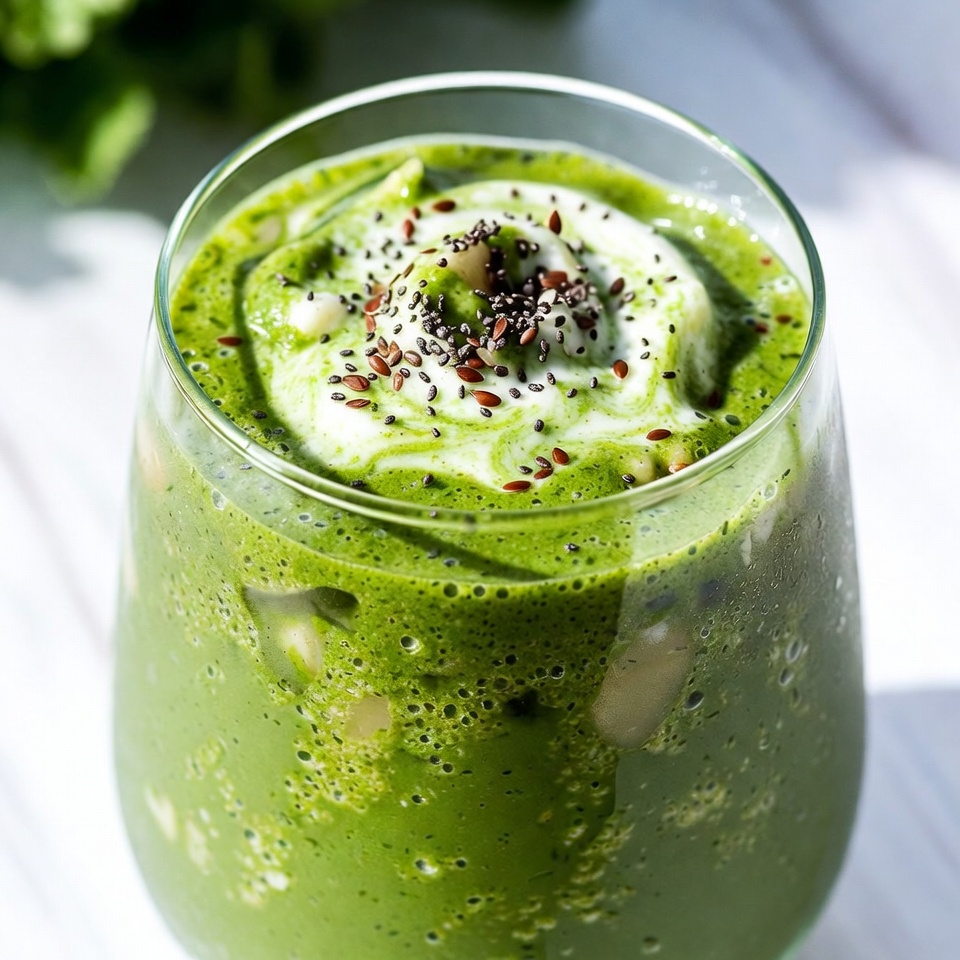
1. Introduction: The Green Revolution in a Glass
The green smoothie is more than just a fleeting wellness trend; it is a culinary bridge between convenience and high-performance nutrition. For decades, the “green drink” was often associated with unpalatable, grassy tonics consumed only by the most dedicated health enthusiasts. However, the modern green smoothie—pioneered by raw food advocates like Victoria Boutenko in the early 2000s—completely redefined the category by blending the rugged nutrition of leafy greens with the sweetness and texture of whole fruits.
The true magic of the green smoothie lies in its ability to break down the tough cellulose walls of plants. By using high-speed mechanical force, we unlock phytonutrients that our teeth alone could never fully process. Culturally, these drinks have become symbols of the modern, fast-paced life—a portable breakfast for the urban professional, a recovery fuel for the athlete, and a “secret weapon” for parents trying to sneak kale into a toddler’s diet.
Each sip tells a story of balance. It is the juxtaposition of “earth” (kale, spinach, chard) and “sun” (mango, pineapple, berries). Whether you are looking to clear your skin, boost your morning mental clarity, or simply add more fiber to your diet, mastering the green smoothie is your first step toward a more vibrant life.
2. Recipe Overview
- Cuisine Type:Modern Health / Plant-Based
- Difficulty Level:Beginner
- Total Preparation Time:5–8 minutes
- Dietary Classifications:Vegan, Gluten-Free, Soy-Free, Paleo-friendly, Raw Food.
3. Equipment and Tools
While you can make a smoothie in a standard blender, the quality of your equipment directly impacts the “mouthfeel” of the final product.
- High-Speed Blender:Ideally 1200 watts or higher (e.g., Vitamix, Blendtec, or Ninja Professional). High power ensures that even fibrous kale stems become silky.
- Tamper Tool:Often included with high-end blenders; used to push ingredients into the blades without stopping the motor.
- Precision Measuring Cups:For consistent flavor profiles.
- Silicone Spatula:To ensure you don’t leave any nutrient-dense liquid behind.
- 24 oz Glass Tumbler:Specifically, high-borosilicate glass is recommended for durability and temperature retention.
4. Serving Suggestions
A green smoothie shouldn’t just taste good; it should look enticing.
- Plating:Serve in a chilled glass to maintain the crisp temperature.
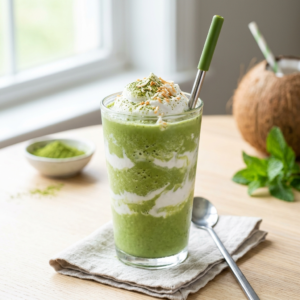
- Garnish:A sprinkle of hemp hearts, a single mint leaf, or a few pomegranate arils provides a professional, “juice-bar” aesthetic.
- Side Dishes:If consumed as a snack, pair with a handful of raw walnuts or a slice of sprouted-grain toast with almond butter.
- Beverage Pairing:If you find the smoothie too thick, sip alongside a glass of chilled alkaline water with a lemon wedge to cleanse the palate.
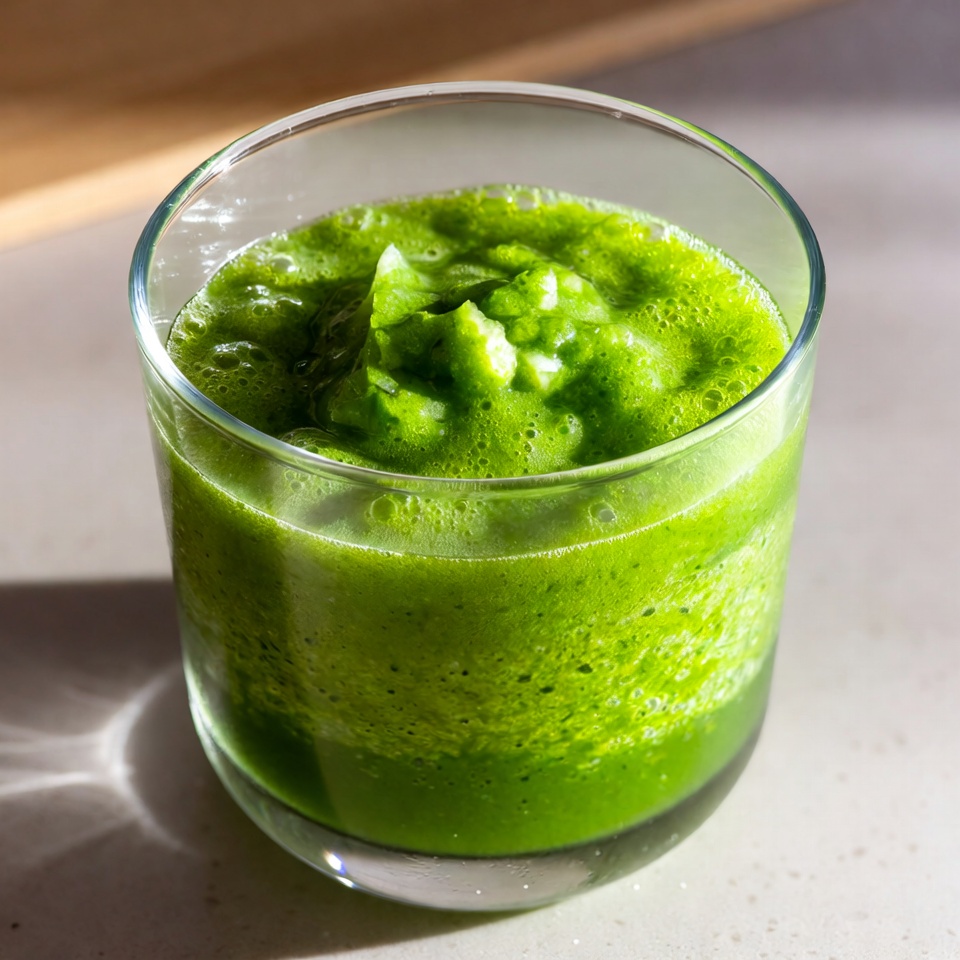
5. Nutritional Information
Note: Based on a standard 16 oz spinach and fruit blend.
| Nutrient | Amount per Serving | % Daily Value |
| Calories | 240 kcal | 12% |
| Total Fat | 4g | 5% |
| Carbohydrates | 48g | 17% |
| Dietary Fiber | 10g | 36% |
| Sugars | 22g (Natural) | — |
| Protein | 6g | 12% |
| Vitamin A | 4,200 IU | 180% |
| Vitamin K | 560 mcg | 450% |
Health Benefits:
- Chlorophyll-Rich:Supports natural detoxification processes.
- High Fiber:Promotes gut health and sustained energy release (no sugar crashes).
- Bioavailable Antioxidants:Protects cells from oxidative stress.
6. Storage and Reheating
Smoothies are best consumed immediately, but life often gets in the way.
- Refrigeration:Store in an airtight glass jar (like a Mason jar) for up to 24 hours. Fill the jar to the very top to reduce the amount of oxygen trapped inside, which prevents browning.
- Freezing:You can freeze “smoothie packs” (pre-measured fruit and greens) in reusable bags. Alternatively, freeze the finished smoothie in silicone ice cube trays to blend later.
- Reheating:N/A. However, if a refrigerated smoothie has separated, do not stir it with a spoon—give it a vigorous shake for 10 seconds to re-emulsify.
7. Expert Tips and Variations
Professional Chef Tips
- The “Vortex” Method:Always pour your liquid base in first. This creates a “vortex” that pulls the solid ingredients down toward the blades, preventing air pockets.
- The Zest Factor:Adding a tiny strip of organic lemon or lime zest (just the colored part) can brighten a dull smoothie and mask the “swampy” taste of older greens.
Common Mistakes
- Over-sweetening:Avoid adding honey or maple syrup. Let the frozen banana or mango provide the natural sugars.
- Using Warm Liquids:Room temperature water makes for a lukewarm smoothie. Always use chilled liquids or plenty of ice.
Creative Variations
- The Tropical Detox:Replace water with coconut water and add a pinch of turmeric.
- The Creamy Classic:Use half an avocado instead of a banana for a low-glycemic, velvety texture.
8. Ingredients Section
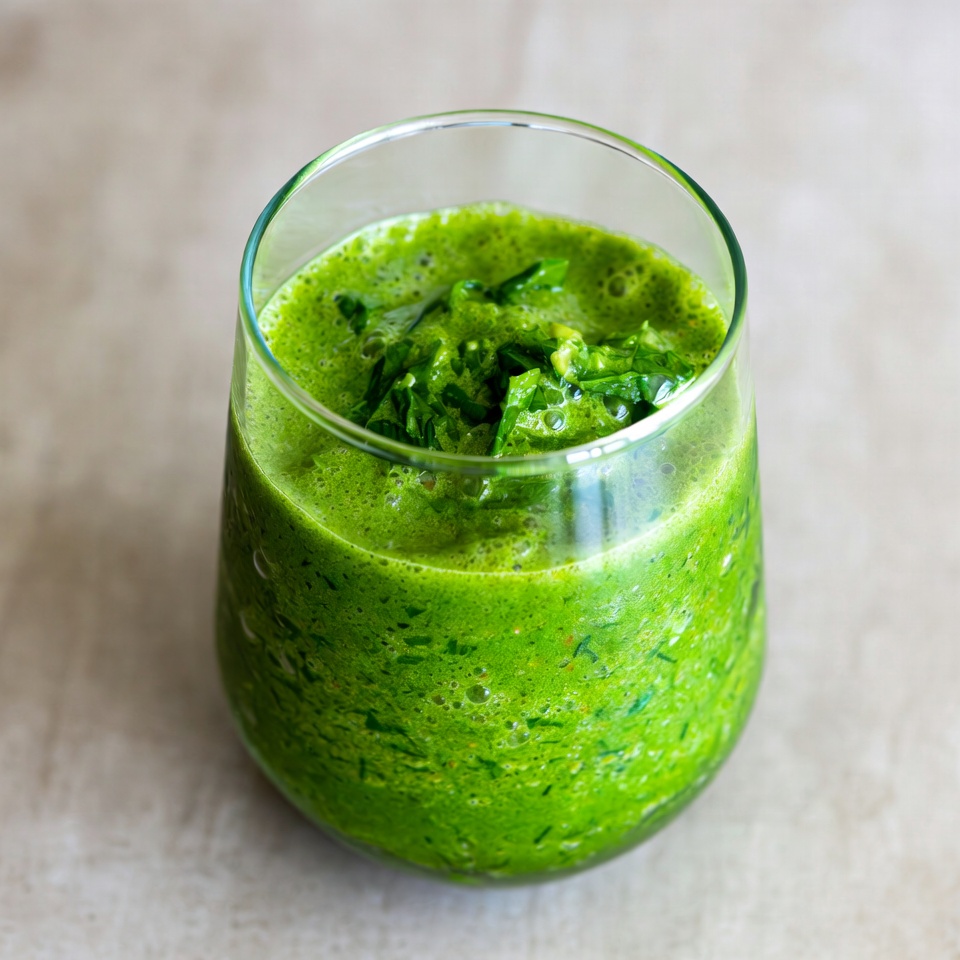
The “Golden Ratio” Base
- Liquid (1.5 cups / 350ml):Unsweetened almond milk, coconut water, or filtered water.
- Greens (2 packed cups / 60g):Fresh baby spinach, Lacinato (Dino) kale, or Swiss chard.
- Fruit (1.5 cups / 225g):Frozen banana slices, frozen mango chunks, or green apple.
Quality and Sourcing
- Organic Greens:Leafy greens have a high surface area and can retain pesticides; buy organic when possible.
- Substitutions:If you dislike kale, use Romaine lettuce for a milder, hydrating alternative. Replace almond milk with oat milk for a nut-free version.
9. Step-by-Step Instructions
- Prep the Greens:Wash your greens thoroughly. If using kale, strip the leaves away from the woody central rib, as the rib adds a bitter, fibrous texture.
- Liquid First:Pour 1.5 cups of your chosen liquid into the blender jar.
- The “Greens-Only” Blend:If you don’t have a high-speed blender, blend the liquid and the greens alone for 30 seconds first. This ensures no leafy “chunks” remain.
- Add the Heavy Hitters:Add your frozen fruit, seeds (chia or flax), and any protein powders.
- Start Low, Go High:Turn the blender on its lowest setting. Gradually increase to high speed over 15 seconds.
- The Final Blitz:Blend on high for a full 45–60 seconds. You are looking for a completely uniform, vibrant green color.
- Consistency Check:If the smoothie is too thick to pour, add liquid 2 tablespoons at a time through the lid cap while the motor is running.
10. Frequently Asked Questions (FAQ)
Q: Can I use frozen spinach instead of fresh?
A: Yes! Frozen spinach is often more nutrient-dense as it’s picked at peak ripeness. Use about 1/2 cup of frozen spinach to replace 2 cups of fresh.
Q: How do I get rid of the “earthy” taste?
A: Citrus is the answer. A squeeze of fresh lemon juice or a few chunks of pineapple contain acids that neutralize the bitter notes of chlorophyll.
Q: Are green smoothies high in sugar?
A: They can be if you use too much fruit juice. By using whole fruits and unsweetened milks, you keep the fiber intact, which slows down sugar absorption.
Q: Why is my smoothie foaming?
A: This usually happens with kale or when blending for too long. Adding a small amount of healthy fat (like a teaspoon of coconut oil or almond butter) can act as an anti-foaming agent.
Q: Can I replace a meal with a green smoothie?
A: To make it a full meal, you must add protein (hemp seeds or protein powder) and healthy fats (avocado or nut butter) to ensure you remain satiated until your next meal.