
1. Introduction
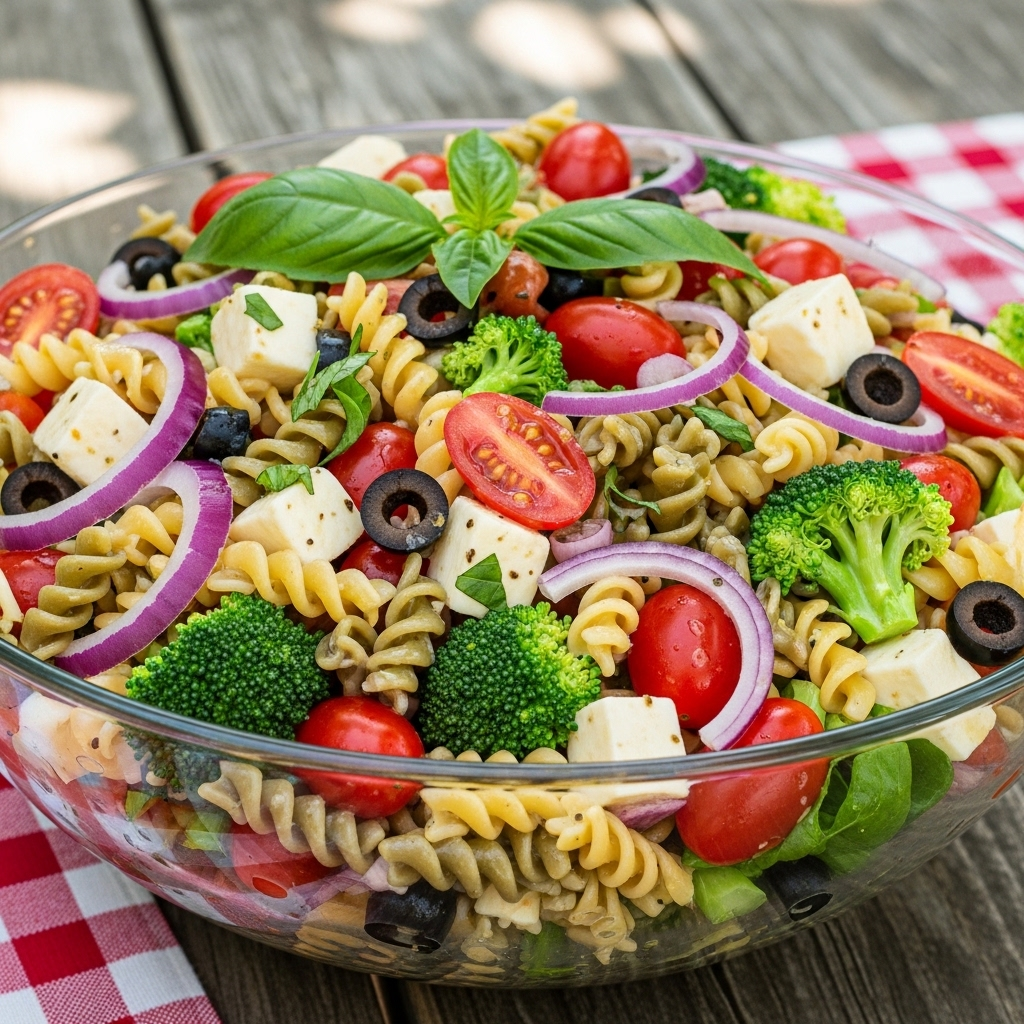
There is a specific kind of magic that happens when the temperature climbs and the kitchen becomes a sanctuary of cool surfaces and fresh produce. TheCold Pasta Saladis more than just a picnic staple; it is a culinary canvas that celebrates the vibrancy of the season. Originating from the Italianinsalata di pasta, this dish has evolved from a simple way to use leftover noodles into a global favorite that anchors backyard barbecues, office luncheons, and quiet weeknight dinners.
My first encounter with a truly exceptional pasta salad wasn’t at a high-end bistro, but at a coastal gathering in Southern Italy. There, the “recipe” was dictated by what was ripe in the garden: sun-drenched tomatoes, fragrant basil, and sharp, salty cheeses. The beauty of this dish lies in itstextural contrast—the al dente bite of the pasta against the crunch of bell peppers and the creaminess of feta. It is a dish that breathes, adapts, and, perhaps most importantly, tastes even better the next day.
2. Recipe Overview
- Cuisine Type:Mediterranean / Fusion
- Difficulty Level:Easy
- Prep Time:20 minutes
- Cook Time:10 minutes
- Total Time:30 minutes (plus chilling)
- Dietary Classifications:Vegetarian (can be made Vegan or Gluten-Free with substitutions)
3. Equipment and Tools
To achieve the perfect consistency and flavor distribution, ensure you have the following tools ready:
- Large Stockpot:Minimum6-quart (5.7 liters)capacity to allow pasta to move freely and prevent sticking.
- Colander:Large stainless steel or BPA-free plastic for draining and immediate rinsing.
- Mixing Bowls:One extra-large bowl (5-8 quarts) for tossing the salad and one medium bowl for whisking the vinaigrette.
- Chef’s Knife:A sharp8-inchblade for precise vegetable dicing.
- Whisk:Small balloon whisk for emulsifying the dressing.
- Measuring Tools:Full set of dry measuring cups and liquid measuring glass.
- Airtight Container:For chilling and storage (glass preferred to avoid odor absorption).
4. Serving Suggestions
Plating Recommendations
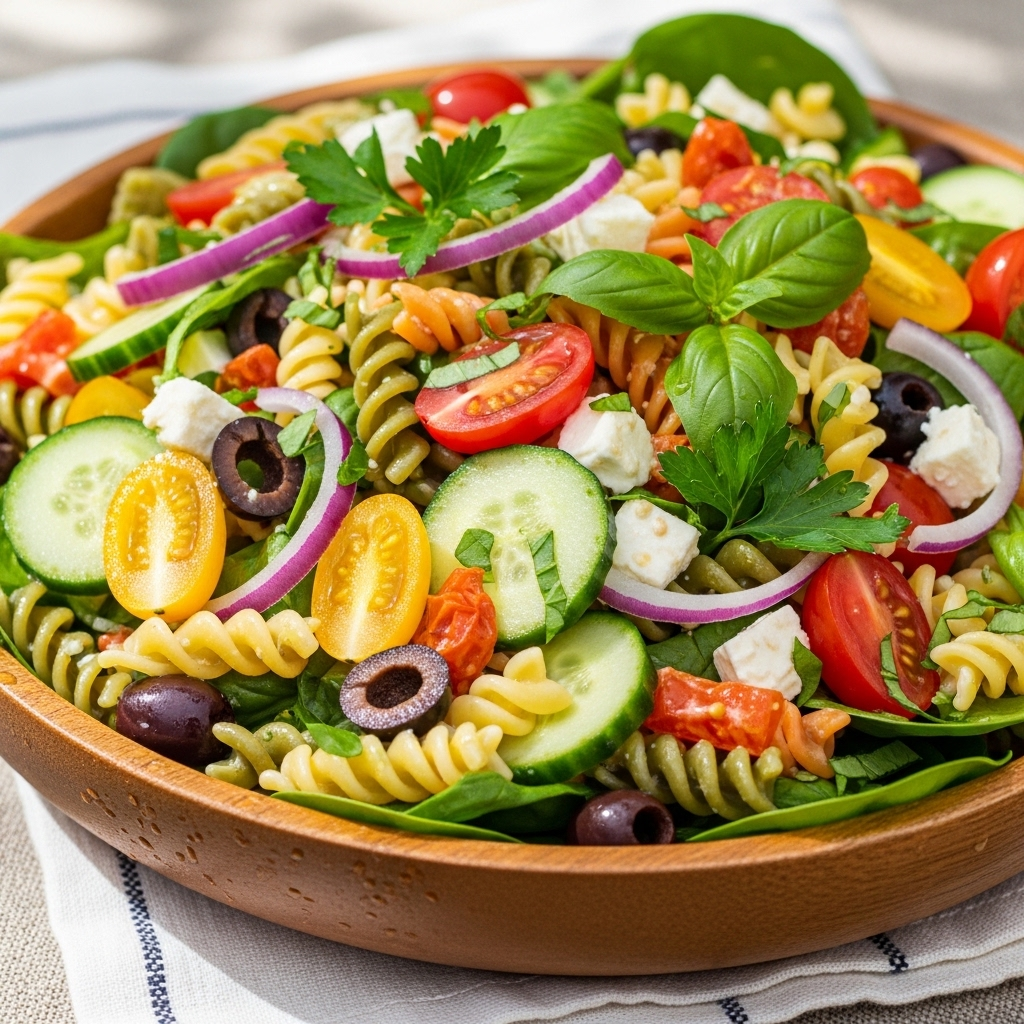
Serve in a chilled ceramic bowl to keep the ingredients crisp. For individual servings, use wide, shallow pasta bowls to showcase the colorful ingredients.
Garnish Ideas
- Freshly cracked black pepper.
- A chiffonade of fresh basil leaves.
- A final dusting of high-quality Parmigiano-Reggiano.
Complementary Side Dishes
- Grilled lemon-herb chicken skewers.
- Garlic toasted ciabatta.
- A light arugula salad with a simple lemon squeeze.
Wine & Beverage Pairings
- Wine:A crispSauvignon Blancor a dryProvençal Rosé.
- Non-Alcoholic:Sparkling water with cucumber and mint or a tart lemonade.
5. Nutritional Information
(Per 1.5 cup serving)
| Nutrient | Amount |
| Calories | 320 kcal |
| Total Fat | 14g |
| Saturated Fat | 4g |
| Cholesterol | 15mg |
| Sodium | 480mg |
| Total Carbohydrates | 42g |
| Dietary Fiber | 4g |
| Sugars | 5g |
| Protein | 9g |
Health Benefits:This dish is rich inlycopene(from tomatoes),healthy monounsaturated fats(from olive oil), and complex carbohydrates for sustained energy.
6. Storage and Reheating
Refrigeration:Store in an airtight container for up to4 to 5 days. The flavors actually deepen after 24 hours.
Freezing:Not recommended. The fresh vegetables will lose their structural integrity, and the pasta may become mushy upon thawing.
Reheating:This is acolddish. If the pasta has absorbed too much dressing in the fridge, revive it with a splash of olive oil or a squeeze of lemon juice before serving. Do not microwave.
7. Expert Tips and Variations
Professional Chef Tips
- Overcook the Pasta Slightly:Unlike hot pasta, cold pasta firms up as it chills. Cook itone minute past al denteso it remains tender when cold.
- Salt the Water:The pasta water should be “salty like the sea.” This is your only chance to season the actual noodles.
- The Two-Stage Dressing:Apply half the dressing while the pasta is still slightly warm to absorb flavor, then the remaining half just before serving to ensure a glossy finish.
Creative Variations
- The Protein Boost:Add chickpeas, grilled shrimp, or diced salami.
- The Vegan Swap:Replace feta with kalamata olives and use nutritional yeast for a “cheesy” hit.
- The Grain Swap:Use farro or quinoa for a nuttier, heartier base.
8. Ingredients Section
The Pasta Base
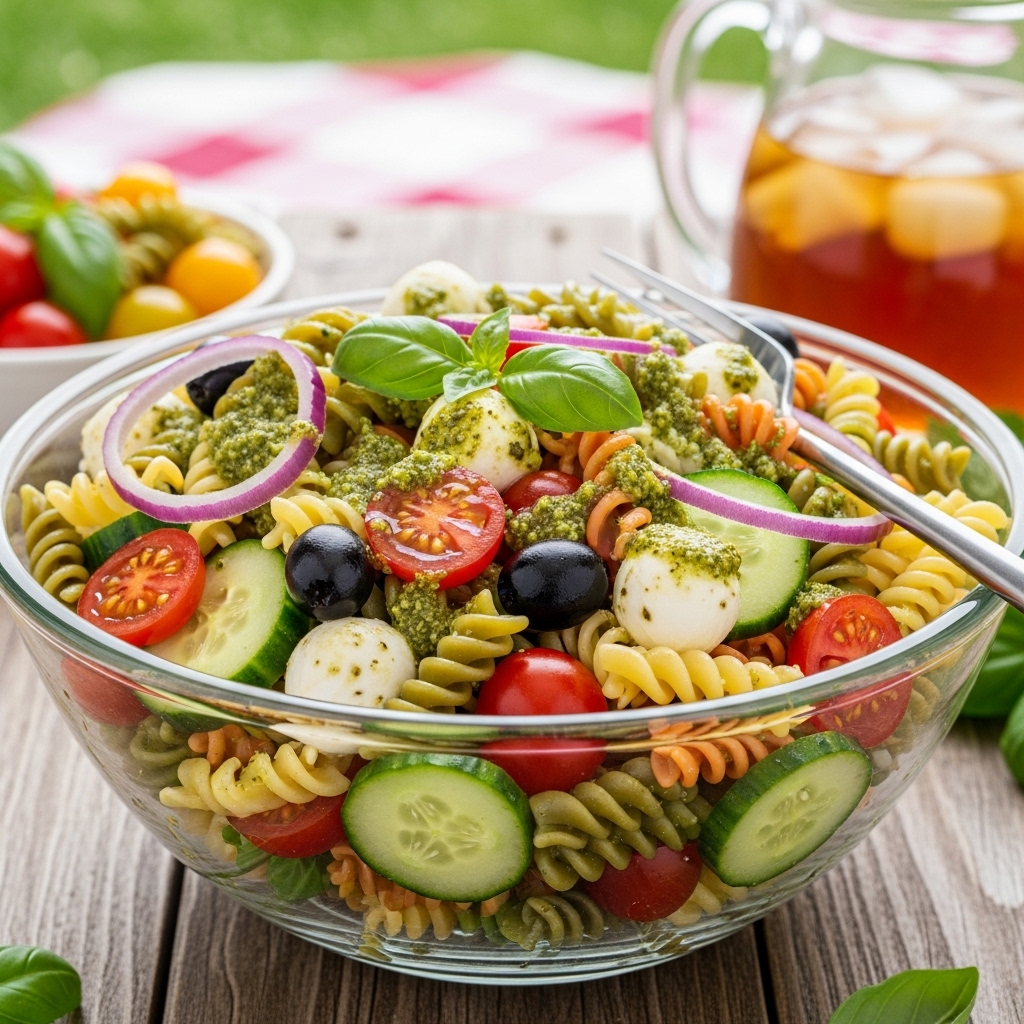
- 1 lb (454g)Short pasta (Rotini, Fusilli, or Penne are ideal for “catching” dressing).
The Produce
- 2 cups (300g)Cherry tomatoes, halved.
- 1 largeEnglish cucumber, quartered and sliced.
- 1 smallRed onion, finely diced.
- 1 cup (150g)Bell peppers (mixed colors), diced.
- 1/2 cup (75g)Kalamata olives, pitted and sliced.
The Flavor Makers
- 1/2 cup (115g)Feta cheese, crumbled.
- 1/4 cupFresh parsley, chopped.
The Zesty Vinaigrette
- 1/2 cup (120ml)Extra virgin olive oil (Cold-pressed recommended).
- 1/4 cup (60ml)Red wine vinegar.
- 1 cloveGarlic, minced.
- 1 tspDried oregano.
- 1/2 tspSea salt.
- 1/4 tspRed pepper flakes (optional).
9. Step-by-Step Instructions
Step 1: Boil the Pasta
Bring a large pot of heavily salted water to a rolling boil. Add the pasta and cook according to package directions, but aim for about60 seconds past al dente.
Step 2: Rinse and Cool
Drain the pasta in a colander. Immediately rinse withcold water. This stops the cooking process and removes excess starch, which prevents the pasta from clumping together. Let it drain thoroughly.
Step 3: Prepare the Vinaigrette
In a medium bowl, combine the olive oil, red wine vinegar, minced garlic, oregano, salt, and red pepper flakes. Whisk vigorously until the oil and vinegar areemulsified(they should no longer look separated).
Step 4: Prep the Vegetables
While the pasta drains, chop your tomatoes, cucumbers, onions, and peppers. Ensure the dice is relatively uniform—about the size of the pasta—to ensure a bit of everything in every bite.
Step 5: The First Toss
In your extra-large mixing bowl, combine the cooled pasta and the chopped vegetables. Pourtwo-thirdsof the dressing over the mixture. Toss gently with large spoons until every piece is coated.
Step 6: Add Accents
Gently fold in the feta cheese, sliced olives, and fresh parsley. Folding prevents the feta from breaking down into a paste and keeps the salad looking vibrant.
Step 7: The Chill Factor
Cover the bowl and refrigerate for at least30 minutes. An hour is better. This allows the pasta to “marinate.”
Step 8: Final Seasoning
Just before serving, pour the remaining dressing over the salad and give it one final toss. Taste and add an extra pinch of salt or a squeeze of fresh lemon if needed.
10. Frequently Asked Questions (FAQ)
Q: Can I use gluten-free pasta?
A:Absolutely. However, gluten-free pasta (especially corn-based) can become very brittle when cold. Use a high-quality brown rice or chickpea pasta and serve it within 24 hours for the best texture.
Q: How do I prevent the pasta from soaking up all the dressing?
A:Rinsing the pasta in cold water is key. It removes the surface starch that acts like a sponge. Also, keeping a bit of extra dressing on the side to add right before serving is a professional “secret.”
Q: Is it okay to use bottled dressing?
A:You can, but a homemade vinaigrette takes three minutes and avoids the preservatives and sugars found in store-bought versions. The flavor difference is significant.
Q: Can I make this a day in advance?
A:Yes! It is actually better the next day. Just keep the fresh herbs (like basil or parsley) separate and stir them in right before you head out to your event.
Q: What is the best pasta shape for salad?
A:Look for shapes with “nooks and crannies.”Rotini (spirals)andFusilliare the gold standard because the dressing and small bits of feta get trapped in the folds.