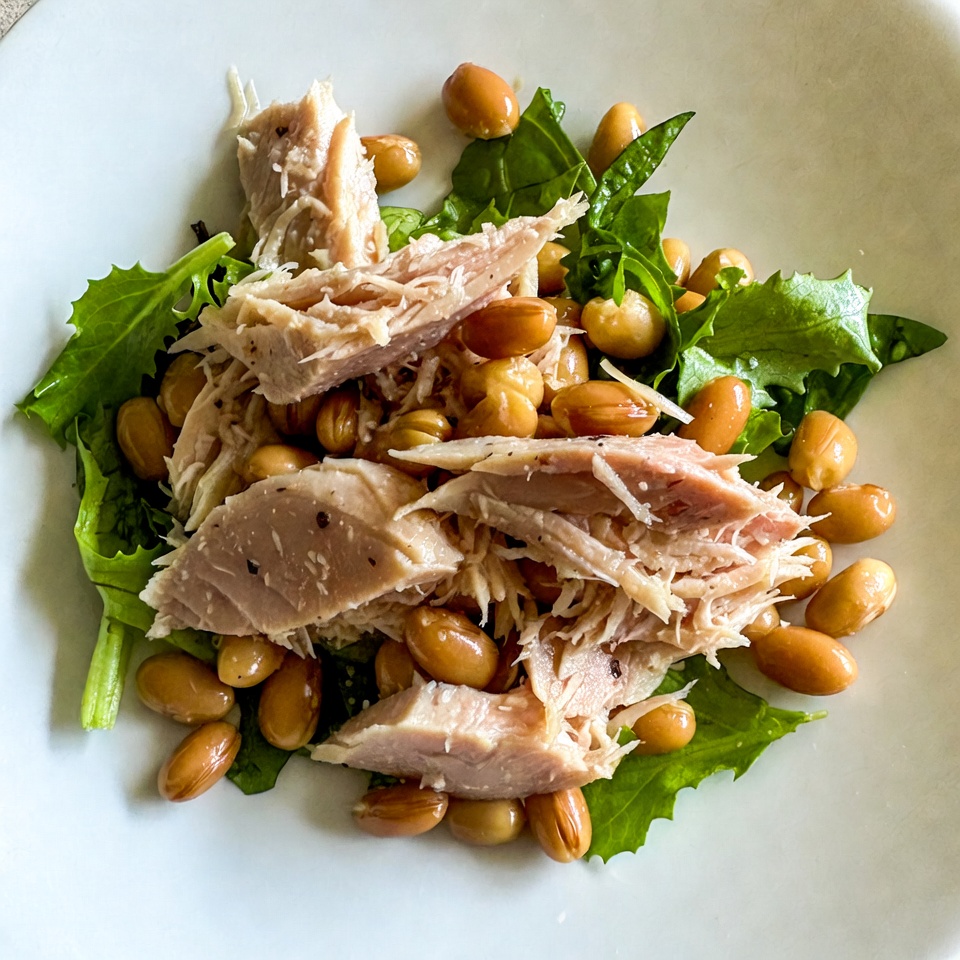
1. Introduction: A Mediterranean Legacy in a Bowl
In the modern culinary landscape, we often find ourselves caught between the desire for gourmet flavors and the necessity of nutritional efficiency. TheProtein Tuna Garbanzo Saladis the perfect intersection of these two worlds. Rooted in the sun-drenched coastal traditions of the Mediterranean—specifically the “Insalata di Tonno e Ceci” of Central Italy—this dish celebrates the beauty of simplicity.
Historically, this salad emerged as a way for coastal families to combine long-lasting pantry staples like preserved tuna and dried legumes with the fresh herbs growing in their backyards. Today, it serves as a cornerstone for the “Blue Zone” diet, known for promoting longevity and heart health. What makes this recipe truly unique is its textural symphony: the buttery, flaky texture of premium canned tuna juxtaposed against the nutty, firm bite of garbanzo beans (chickpeas).
Beyond its cultural roots, this dish has become a modern “power lunch.” It is a favorite among fitness enthusiasts for its lean protein profile and loved by busy professionals for its ability to stay fresh and vibrant in the refrigerator for days. Whether you are seeking a post-workout recovery meal or a refreshing summer dinner, this salad tells a story of health, heritage, and effortless elegance.
2. Recipe Overview
- Cuisine Type:Mediterranean / Modern Fusion
- Difficulty Level:Easy (No-cook recipe)
- Total Preparation Time:15 minutes
- Total Cooking Time:0 minutes
- Dietary Classifications:Gluten-Free, Dairy-Free, High-Protein, Pescatarian, Low-Glycemic Index.
3. Equipment and Tools
To achieve the professional consistency required for a high-quality salad, ensure you have the following tools ready:
- Mixing Bowl:A large stainless steel or glass bowl with at least a3-liter (3.2-quart)capacity. This allows enough space to toss the ingredients vigorously without bruising the delicate tuna flakes.
- Chef’s Knife:A sharp8-inch (20cm)blade for precision dicing of vegetables.
- Fine-Mesh Strainer:Essential for thoroughly rinsing the garbanzo beans to remove excess sodium and starchy “aquafaba” liquid.
- Citrus Juicer:A manual or handheld press to extract maximum juice from lemons while straining out seeds.
- Small Whisk:To emulsify the dressing into a stable, creamy vinaigrette.
- Measuring Tools:A set of standard imperial/metric spoons and cups to maintain the delicate balance of acidity and fat.
4. Serving Suggestions
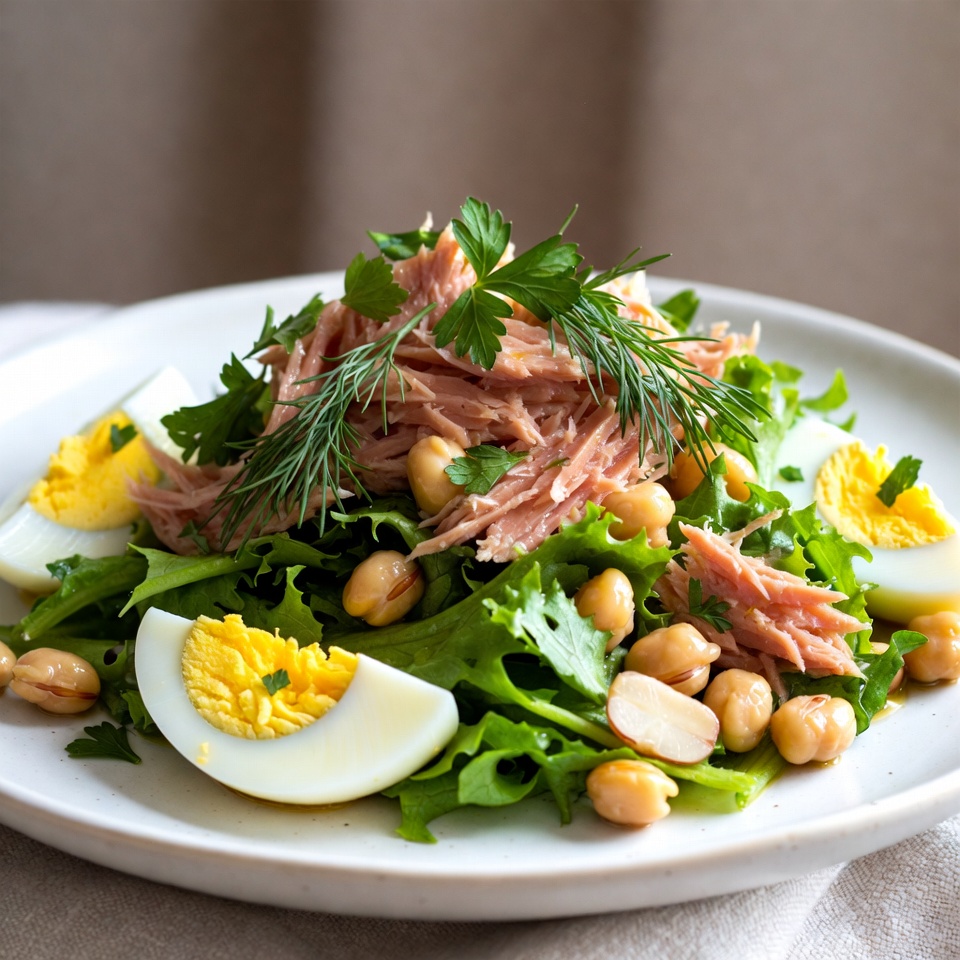
The presentation of this salad can range from a rustic picnic lunch to an upscale appetizer.
- Plating Recommendations:Serve in wide, shallow bowls to showcase the vibrant colors of the parsley and red onion. If serving as a main course, nestle a generous scoop over a bed of baby arugula or peppery watercress.
- Garnish Ideas:A final flourish ofmicrogreens, a dusting ofAleppo pepper, or a fewtoasted pine nutsadds a layer of sophistication.
- Complementary Sides:Pair with a crusty sourdough baguette or baked pita chips for added crunch. For a low-carb option, serve inside hollowed-out bell peppers or avocado halves.
- Beverage Pairings:The acidity of the lemon calls for a crisp, dry white wine. AVermentinoor aSauvignon Blancis ideal. For non-alcoholic options, a chilledcucumber and mint infused waterprovides a refreshing counterpoint.
5. Nutritional Information
(Estimated per serving; based on 4 servings)
| Nutrient | Amount |
| Calories | 315 kcal |
| Total Protein | 26g |
| Total Fat | 14g |
| Total Carbohydrates | 22g |
| Dietary Fiber | 7g |
| Sugar | 3g |
Health Benefits:
- Omega-3 Fatty Acids:Critical for brain health and reducing inflammation.
- Fiber-Rich:Supports a healthy microbiome and sustained energy levels.
- Micronutrients:High in Vitamin C, Iron, and Magnesium.
6. Storage and Reheating
- Refrigeration:Store in an airtight glass container forup to 4 days. The flavor actually improves after the first 24 hours as the chickpeas marinate in the dressing.
- Freezing:This recipe isnot suitable for freezing. The texture of the fresh vegetables and canned tuna will degrade significantly upon thawing.
- Reheating:This is a cold salad. If the olive oil has solidified in the fridge, let the salad sit at room temperature for10–15 minutesand give it a quick toss before eating.
7. Expert Tips and Variations
Professional Chef Tips
- Drainage is Key:Ensure both the tuna and the beans are extremely dry before adding the dressing. Any residual water will prevent the oil from adhering to the ingredients, resulting in a watery salad.
- The “Maceration” Technique:If you find raw red onions too sharp, soak the diced onions in the lemon juice for 5 minutes before adding other ingredients. This softens their bite and turns them a vibrant pink.
Creative Variations
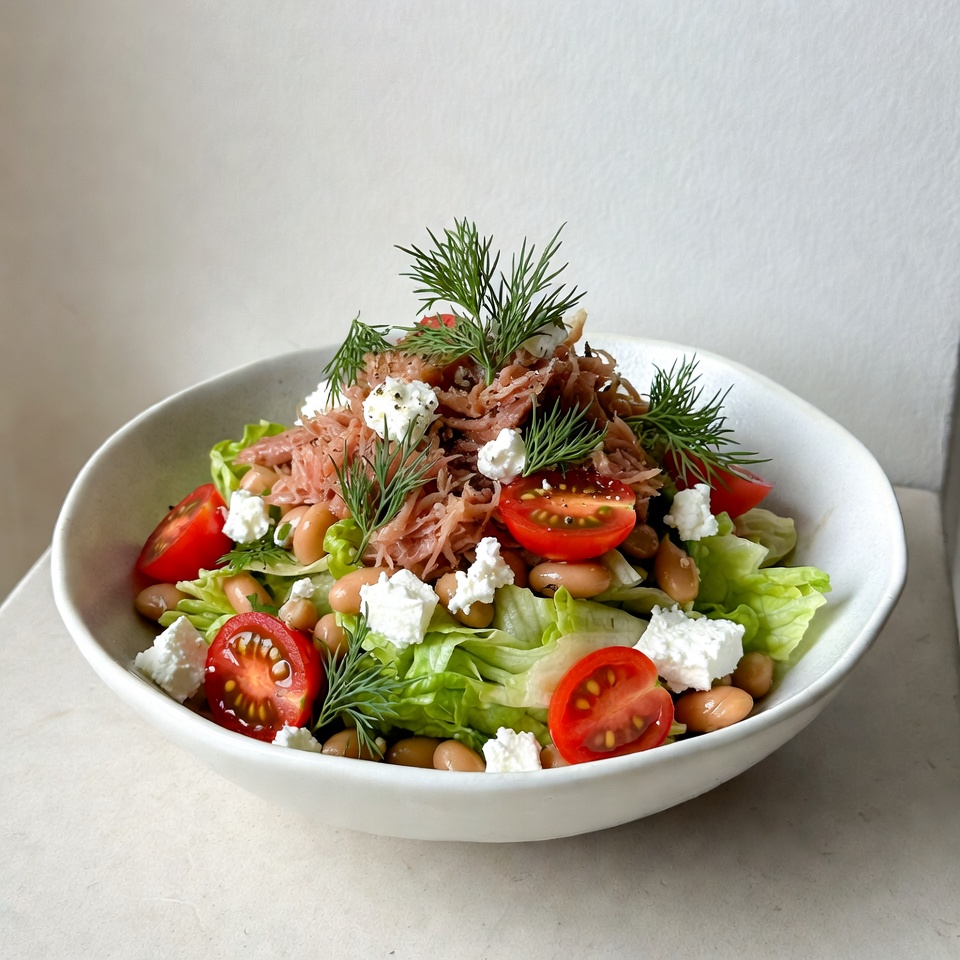
- The Greek Variation:Add crumbled feta cheese, Kalamata olives, and dried oregano.
- The Spicy Kick:Incorporate finely diced jalapeños or a teaspoon of harissa paste into the dressing.
- Seasonal Adaptation:In winter, swap the fresh parsley for roasted red peppers or sun-dried tomatoes to maintain a robust flavor profile.
8. Ingredients Section
Main Ingredients
- Tuna:2 cans (142g / 5oz each) of Solid White Albacore or Skipjack.Note: Seek out tuna packed in water for lower calories, or olive oil for a richer taste.
- Garbanzo Beans:1 can (425g / 15oz), rinsed and drained.
- Red Onion:½ medium onion (approx. 60g), finely minced.
- Celery:2 stalks, finely diced for essential “crunch.”
- Fresh Flat-Leaf Parsley:1 large bunch (approx. ½ cup chopped).
The Vinaigrette
- Extra Virgin Olive Oil:3 tbsp (45ml).
- Fresh Lemon Juice:2 tbsp (30ml).
- Dijon Mustard:1 tsp (serves as an emulsifier).
- Garlic:1 small clove, grated or pressed.
- Sea Salt & Cracked Black Pepper:To taste.
9. Step-by-Step Instructions
- Prepare the Pulse:Open the can of garbanzo beans and pour them into a fine-mesh strainer. Rinse under cold running water until the water runs clear and no foam remains. Set aside to drain completely for at least 5 minutes.
- Process the Protein:Drain the liquid from the tuna cans. Place the tuna in your large mixing bowl and use a fork to break it into chunky flakes. Avoid over-mashing; you want visible pieces of tuna.
- The Knife Work:Finely mince the red onion and dice the celery into uniform 1/4-inch pieces. Finely chop the parsley, including the upper stems which carry significant flavor. Add these to the tuna.
- Emulsify the Dressing:In a small glass jar or bowl, combine the olive oil, lemon juice, Dijon mustard, and grated garlic. Whisk vigorously until the mixture is slightly thickened and unified.
- The Assembly:Add the drained garbanzo beans to the mixing bowl. Pour the vinaigrette over the top.
- Toss and Season:Using a silicone spatula, gently fold the ingredients together until the dressing coats every surface. Season with salt and pepper.
- The Chill Factor:Cover and refrigerate for at least20 minutesbefore serving. This “rest period” allows the chickpeas to absorb the citrus and garlic notes.
10. Frequently Asked Questions (FAQ)
1. Can I use dried chickpeas instead of canned?
Yes. To substitute, use1.5 cupsof cooked chickpeas. Ensure they are cooked until tender but not mushy to maintain the salad’s structural integrity.
2. How can I make this salad vegan?
Replace the tuna withmashed hearts of palmor extra chickpeas. To replicate the “ocean” flavor, add a teaspoon of crushed nori (seaweed) flakes.
3. Is this recipe suitable for keto diets?
While garbanzo beans contain complex carbs, you can make this “Keto-friendly” by reducing the beans to 1/4 cup and increasing the celery and adding diced avocado for healthy fats.
4. What is the best way to prevent the salad from getting soggy?
Only add “watery” vegetables like tomatoes or cucumbers right before serving. The base recipe (tuna and beans) is very stable and won’t get soggy on its own.
5. Why use Dijon mustard in a vinaigrette?
Mustard acts as a natural emulsifier, helping the oil and lemon juice stay mixed together rather than separating into layers on the bottom of the bowl.