1. Introduction: The Renaissance of the Plate
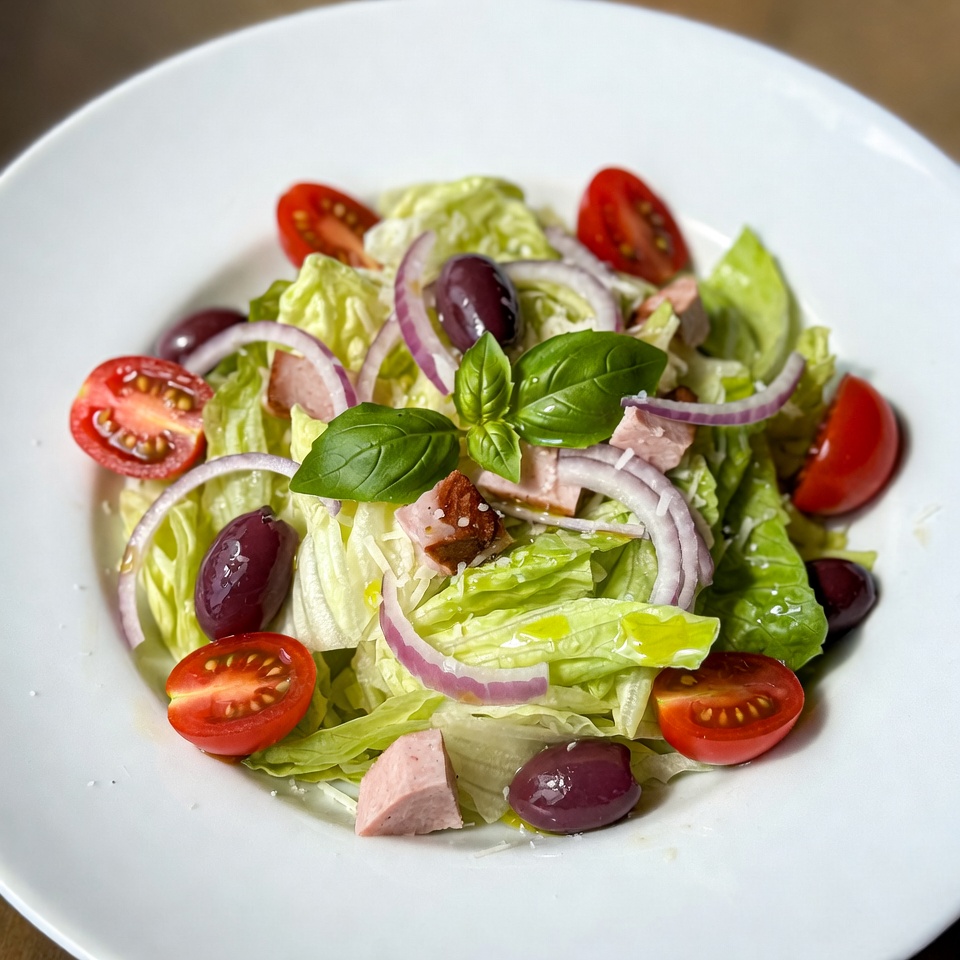
As the final frost of winter thaws and the sunlight lingers just a bit longer each evening, the culinary world undergoes a quiet but profound transformation. We move away from the heavy, slow-simmered comforts of root vegetables and bone broths, turning our eyes toward the earth’s first tender offerings.Spring saladsare more than just a meal; they are a ritual of renewal.
Historically, the consumption of “spring greens” was a medicinal necessity. After a long winter of preserved meats and stored grains, the first sprouts of dandelion, watercress, and wild garlic provided essential Vitamin C and minerals to a depleted populace. In modern gastronomy, this tradition has evolved into a high-art form that prioritizestexture, acidity, and the fleeting beauty of ephemeral ingredients.
What makes a spring salad unique is its delicacy. Unlike the hearty kale salads of autumn, spring salads feature ingredients with a high water content and a subtle sweetness—think of the snap of a pea, the peppery bite of a radish, or the buttery softness of a bibb lettuce leaf. This guide isn’t just about mixing vegetables; it’s about capturing a season in a bowl.
2. Recipe Overview: The “Spring Awakening” Platter
This signature recipe serves as a masterclass in balancing the four pillars of a great salad: Crunch, Cream, Acid, and Herb.
- Cuisine Type:Modern Farm-to-Table / Mediterranean
- Difficulty Level:Easy (Focuses on knife skills and emulsification)
- Total Preparation Time:25 minutes
- Cooking Time:5 minutes (for blanching/toasting)
- Dietary Classifications:Vegetarian, Gluten-Free, Soy-Free (Easily Vegan-adaptable)
3. Equipment and Tools
To achieve professional-grade results, the right tools are non-negotiable. Precision in a salad comes from how the ingredients are handled physically.
- Salad Spinner:Essential for ensuring greens are bone-dry. Dressing will not adhere to wet leaves.
- Mandoline Slicer:For achieving paper-thin, translucent slices of radish and fennel.
- Large Stainless Steel Mixing Bowl (5-Quart):A large volume is necessary to “loft” the salad rather than mashing it.
- Small Glass Mason Jar (8 oz):The superior tool for emulsifying dressings through vigorous shaking.
- Small Cast Iron Skillet:For even heat distribution when toasting nuts.
- Microplane Grater:For zesting citrus and finely grating hard cheeses.
4. Serving Suggestions
Plating Recommendations
Avoid the “bowl burial.” Use a wide, flat ceramic platter. Start with a foundation of heavier vegetables, then mound the greens vertically. This creates visual drama and prevents the delicate leaves from being crushed under the weight of the toppings.
Garnish Ideas
- Edible Flowers:Chive blossoms or pansies add a pop of color.
- Microgreens:Broccoli or radish sprouts for concentrated nutrition.
- Maldon Sea Salt:A final pinch of flakey salt enhances the sweetness of the vegetables.
Beverage Pairings
- Wine:A crispSancerreor a dryRoséwith notes of strawberry.
- Non-Alcoholic:A chilledElderflower Presséwith a sprig of mint.
5. Nutritional Information
Per serving (based on 4 servings)
| Nutrient | Amount | % Daily Value |
| Calories | 245 kcal | 12% |
| Total Fat | 18g | 23% |
| Carbohydrates | 14g | 5% |
| Fiber | 5g | 20% |
| Protein | 7g | 14% |
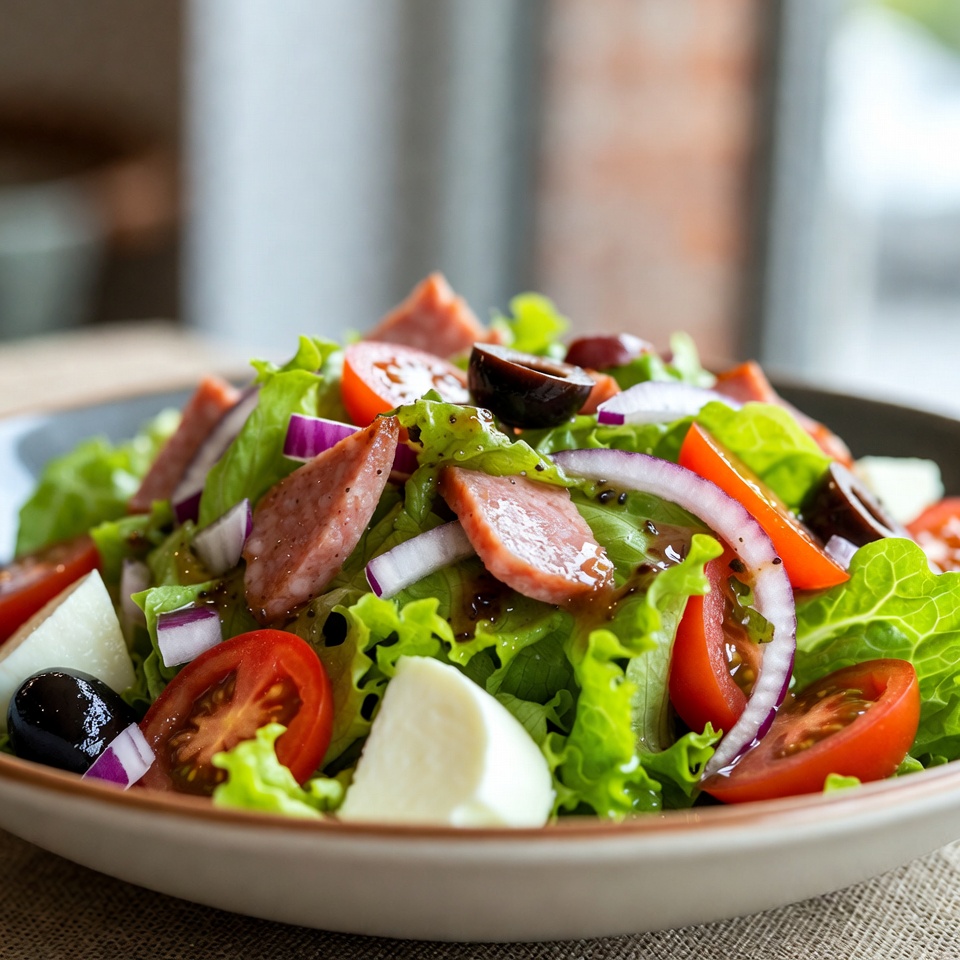
Health Benefits:This recipe is a powerhouse ofVitamin K(bone health) andFolate(cell repair). The inclusion of healthy monounsaturated fats from extra virgin olive oil ensures your body can actually absorb the fat-soluble vitamins (A, D, E, K) found in the leafy greens.
6. Storage and Reheating
- Refrigeration:Store undressed greens in a container lined with a dry paper towel to wick away moisture. They will stay fresh for 3-4 days.
- Dressing:The vinaigrette can be kept in the fridge for up to 10 days.
- Note:Do not dress the salad until the moment of service. Once acid (vinegar/lemon) hits the greens, the cellular structure begins to break down (wilting) within 15 minutes.
- Reheating:N/A (Spring salads are strictly served chilled or at room temperature).
7. Expert Tips and Variations
The Professional Touch
- Macerate your Alliums:If using shallots or red onions, soak them in your vinegar for 10 minutes before adding the oil. This “mutes” the harsh sulfurous bite and turns the onion a beautiful pink.
- Season the Greens, not just the Dressing:Before adding the vinaigrette, toss your dry greens with a tiny pinch of salt. It opens up the flavors.
Creative Variations
- The Protein Boost:Add grilled halloumi or a soft-boiled “6-minute” egg.
- The Fruit Twist:Swap radishes for sliced green strawberries or apricots as the season progresses.
8. Ingredients Section
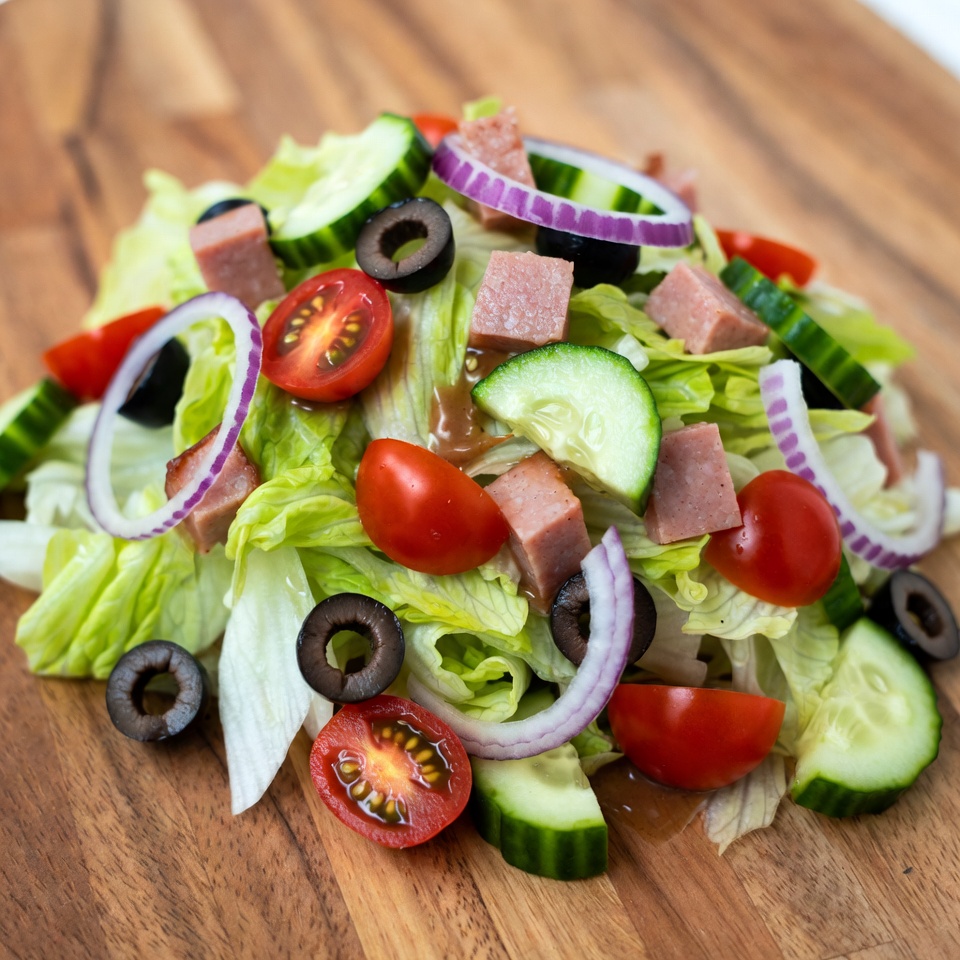
Note: High-quality, cold-pressed Extra Virgin Olive Oil is the “secret” ingredient here.
The Base
- 4 oz (115g) Baby Arugula (Peppery)
- 4 oz (115g) Butter Lettuce or Bibb (Soft/Sweet)
- 1 cup (150g) Fresh English Peas (shelled)
The Accents
- 4-5 Red Radishes (thinly sliced)
- 1 small Fennel Bulb (shaved)
- 1/2 cup (60g) Toasted Pistachios (roughly chopped)
- 3 oz (85g) Fresh Chèvre (Goat Cheese)
The “Lemon-Herb” Vinaigrette
- 1/4 cup (60ml) Extra Virgin Olive Oil
- 2 tbsp (30ml) Fresh Lemon Juice
- 1 tsp Lemon Zest
- 1 tsp Honey or Maple Syrup
- 1/2 tsp Dijon Mustard
- 2 tbsp Fresh Dill (finely chopped)
9. Step-by-Step Instructions
- Blanch the Peas:Bring a small pot of salted water to a boil. Drop in the fresh peas for exactly 90 seconds. Immediately plunge them into anice bath(bowl of water and ice). This stops the cooking and locks in the vibrant emerald green color.
- Toast the Pistachios:Place pistachios in a dry skillet over medium heat. Shake constantly for 3-5 minutes until you smell a rich, nutty aroma. Remove immediately to a cool plate.
- Prep the Vegetables:Using the mandoline, shave the fennel and radishes into a bowl of ice water. This makes them incredibly crisp and curls the edges for better presentation. Drain and pat dry before assembly.
- Emulsify the Dressing:Combine all vinaigrette ingredients in your mason jar. Shake for 30 seconds until the honey and mustard have helped the oil and lemon juice become one creamy, cohesive liquid.
- The “Big Toss”:In your 5-quart bowl, combine the dried greens, blanched peas, fennel, and radishes. Drizzle 3/4 of the dressing around the sides of the bowl (not directly on top) and toss gently with clean hands or tongs.
- Final Assembly:Transfer to your serving platter. Top with the toasted pistachios and dollops of goat cheese. Drizzle the remaining dressing over the cheese.
10. Frequently Asked Questions (FAQ)
1. Can I use frozen peas?
Absolutely. While fresh English peas are the “gold standard” of spring, high-quality frozen petite peas are an excellent substitute. Thaw them in cold water rather than boiling them to maintain their snap.
2. How do I stop my salad from becoming soggy?
The three culprits of sogginess are: wet greens, over-dressing, and dressing too early. Ensure your greens are dry enough to stick to a paper towel, and only dress the salad when the guests are already at the table.
3. What can I substitute for Goat Cheese?
If you prefer a milder flavor, use fresh Mozzarella pearls or Ricotta Salata. For a vegan option, use a spoonful of seasoned almond butter or avocado slices to provide that necessary creaminess.
4. Is fennel necessary? I don’t like licorice.
When shaved paper-thin and served raw, fennel’s anise flavor is very subtle and refreshing. However, if it’s a “no-go,” thinly sliced celery provides a similar crunch without the licorice notes.
5. How long does the “crunch” last?
Once dressed, you have a window of about 20 minutes before the delicate butter lettuce begins to soften.