
1. Introduction
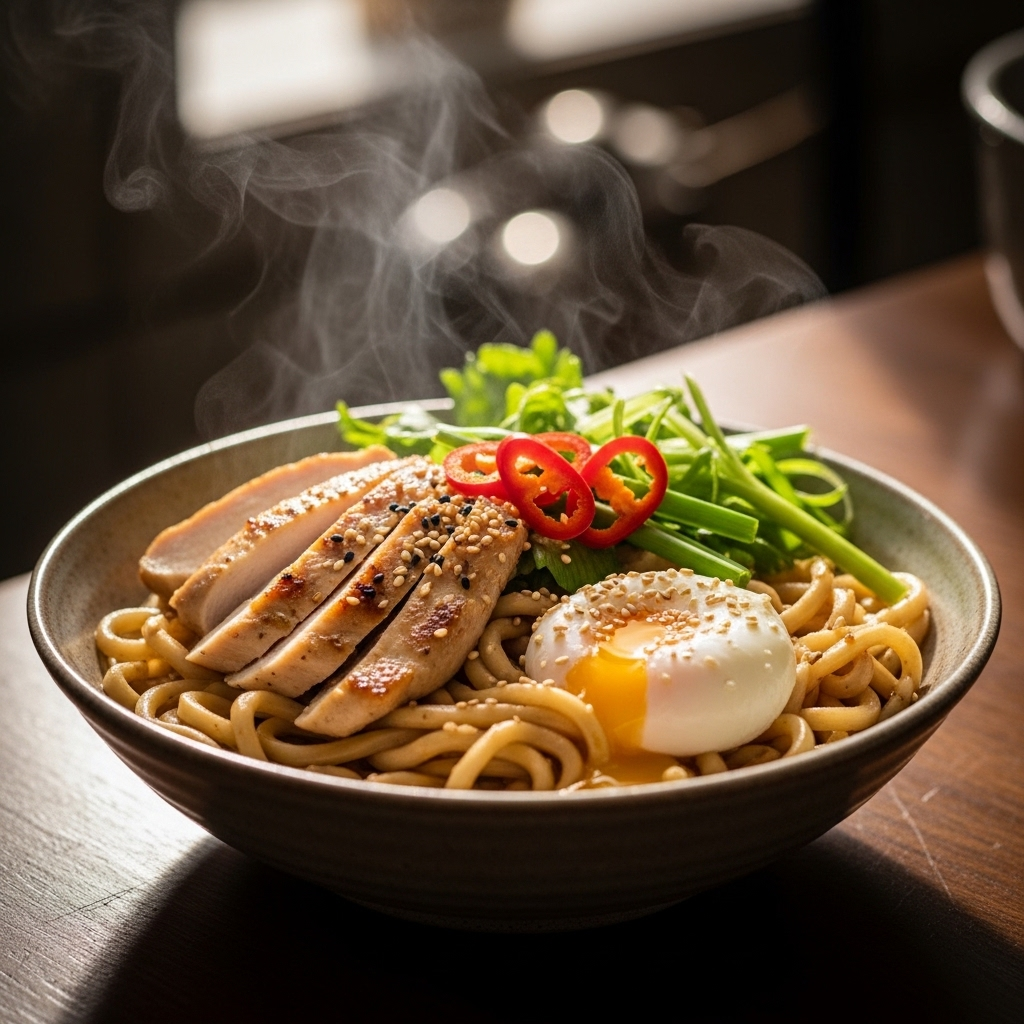
There is a universal language spoken in the steam rising from a bowl of noodles. Whether it’s the bustling street markets of Bangkok, the quiet ramen shops of Tokyo, or a cozy kitchen in the heart of the suburbs,Chicken Noodlesrepresent the ultimate culinary hug.
This dish is a masterclass in balance. You have the savory, umami-rich punch of soy sauce, the aromatic bite of fresh ginger and garlic, the crunch of vibrant vegetables, and the tender, protein-packed satisfaction of golden-seared chicken. Historically, noodle dishes originated in China over 4,000 years ago, eventually migrating across the globe and adapting to local palates. Our version today is a “fusion favorite”—borrowing the high-heat stir-fry techniques of Canton while using accessible ingredients found in any modern pantry.
The beauty of this recipe lies in its versatility. It is sophisticated enough for a weekend dinner party but fast enough to outpace a delivery driver on a rainy Tuesday. It’s a dish that invites you to clear out your crisper drawer and experiment with textures, making it a sustainable and soulful staple for any home cook.
2. Recipe Overview
- Cuisine Type:Asian-Fusion / Stir-Fry
- Difficulty Level:Intermediate (requires quick movement and heat management)
- Prep Time:15 minutes
- Cook Time:15 minutes
- Total Time:30 minutes
- Dietary Classifications:High-protein, Dairy-free (Can be made Gluten-free with Tamari)
3. Equipment and Tools
To achieve the perfect “Wok Hei” (breath of the wok) or seared flavor, having the right tools is essential.
- Wok or Large Skillet:A 14-inch carbon steel wok is ideal. If using a skillet, ensure it is heavy-bottomed (cast iron or stainless steel) to retain heat.
- Chef’s Knife:A sharp 8-inch blade for precise vegetable julienning.
- Large Pot:Minimum 4-quart capacity for boiling noodles.
- Colander:For draining and rinsing noodles in cold water.
- Tongs and Long-handled Spatula:For tossing ingredients without breaking the noodles.
- Measuring Tools:A set of liquid measuring cups and dry spoons.
- Small Mixing Bowls:For “Mise en Place” (preparing ingredients before cooking).
4. Serving Suggestions
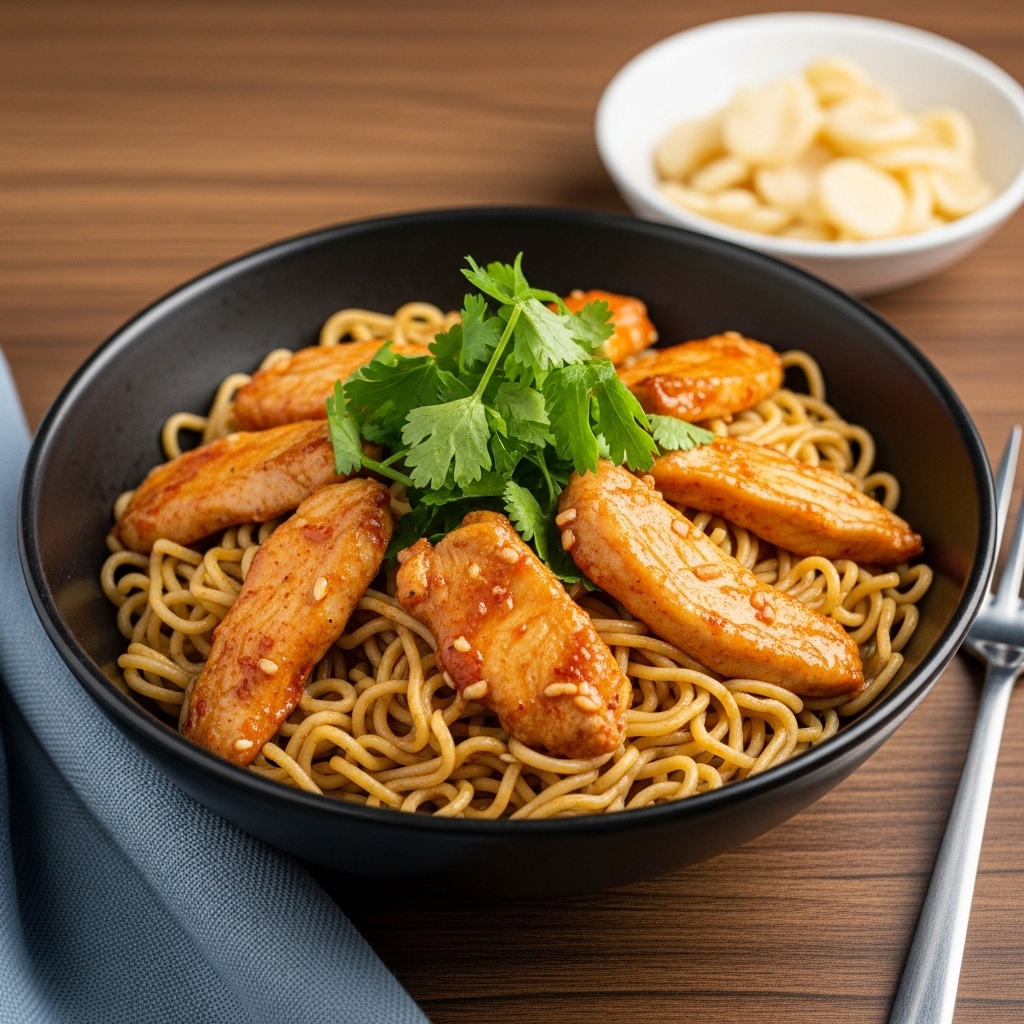
Plating Recommendations:Serve in deep, wide bowls to retain heat. Use tongs to twirl the noodles into a high nest in the center, ensuring the chicken and vegetables are visible on top rather than buried at the bottom.
Garnish Ideas:
- Freshness:Finely sliced scallions (green parts only) and cilantro.
- Texture:Toasted sesame seeds or crushed roasted peanuts.
- Heat:A drizzle of chili crisp or thin slices of fresh Thai bird’s eye chili.
Beverage Pairings:
- Non-Alcoholic:Sparkling water with a squeeze of lime or an iced Thai tea.
- Wine:A crisp, off-dry Riesling or a chilled Gewürztraminer to balance the salt and spice.
- Beer:A light, citrusy Pale Ale or a classic Japanese Lager.
5. Nutritional Information
(Per serving, based on 4 servings)
| Nutrient | Amount |
|---|---|
| Calories | 485 kcal |
| Total Fat | 14g |
| Saturated Fat | 2.5g |
| Cholesterol | 65mg |
| Sodium | 980mg |
| Total Carbohydrates | 58g |
| Dietary Fiber | 4g |
| Sugars | 6g |
| Protein | 32g |
Health Benefits:This dish is rich in lean protein from chicken breast and packed with vitamins A and C from the peppers and carrots. Ginger and garlic provide anti-inflammatory properties and boost the immune system.
6. Storage and Reheating
Refrigeration:Store leftovers in an airtight container for up to3 days. The flavors often deepen overnight.Freezing:Not recommended. Cooked noodles tend to lose their structural integrity and become mushy upon thawing.Reheating:*Stovetop (Best):Reheat in a pan over medium heat with a splash of water or chicken broth to loosen the sauce.
- Microwave:Cover with a damp paper towel and heat in 45-second intervals, stirring in between.
7. Expert Tips and Variations
Professional Chef Tips
- Dry Your Noodles:After boiling, rinse noodles in cold water and toss with a teaspoon of oil. This prevents them from clumping into a “noodle brick.”
- The “Sizzle” Rule:Never crowd the pan. If your wok isn’t large enough, sear the chicken first, remove it, then cook the veggies. Adding too much at once lowers the temperature, causing the food to steam rather than sear.
- Prep is King:Stir-frying happens fast. Have every sauce mixed and every vegetable chopped before you turn on the flame.
Creative Variations
- The “Green” Version:Swap chicken for extra-firm smoked tofu and use mushroom-based vegetarian oyster sauce.
- The Spicy Kick:Add 1 tablespoon of Gochujang (Korean chili paste) to the sauce mixture.
- Zoodle Swap:For a low-carb version, replace wheat noodles with spiralized zucchini or spaghetti squash.
8. Ingredients Section
The Protein & Noodles
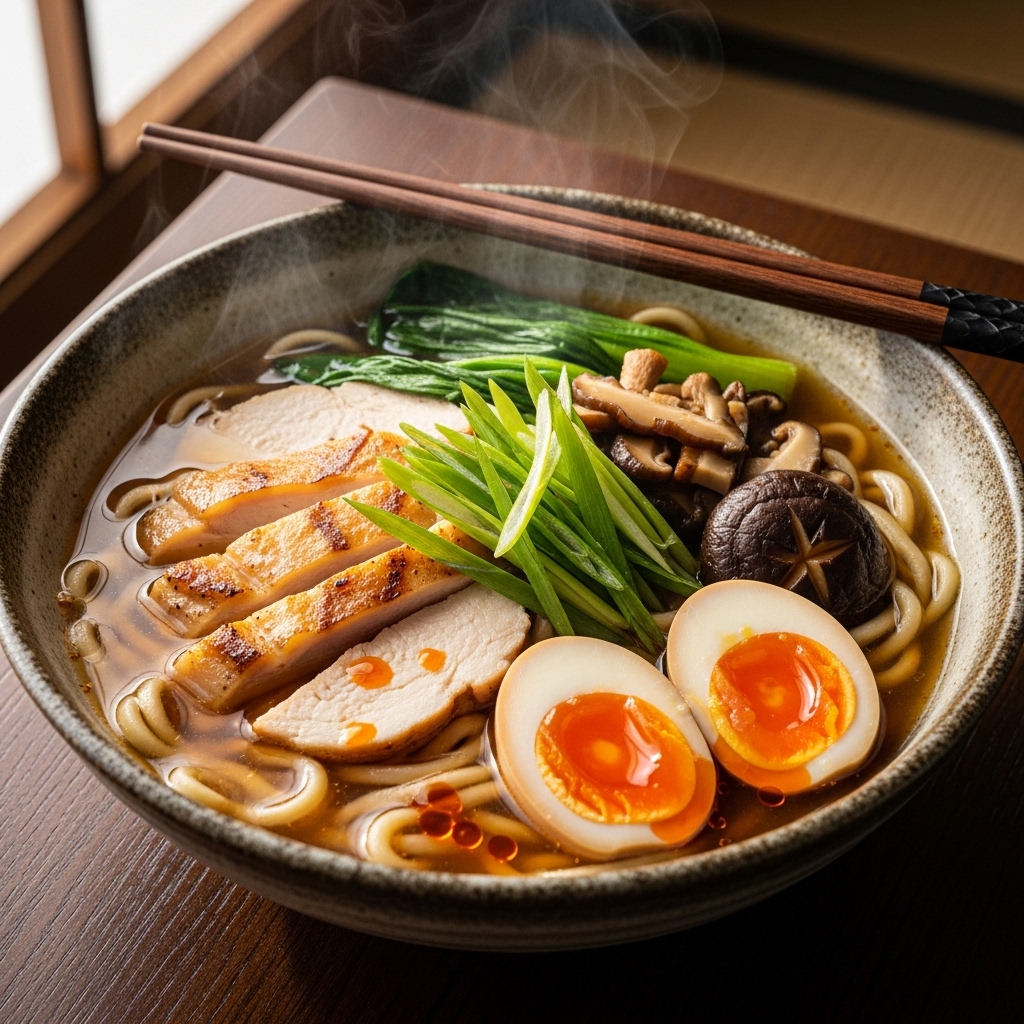
- Chicken:1 lb (450g) Boneless, skinless chicken thighs or breast, thinly sliced across the grain.
- Noodles:10 oz (280g) Dried egg noodles or Lo Mein noodles. (Substitute: Spaghetti or Linguine in a pinch).
The Aromatics & Vegetables
- Garlic:4 cloves, minced.
- Ginger:1 tablespoon, freshly grated.
- Vegetables:1 red bell pepper (julienned), 1 large carrot (shredded), 2 cups shredded cabbage (Napa or Savoy).
The Signature Sauce
- Soy Sauce:3 tbsp (Regular or Low-sodium).
- Dark Soy Sauce:1 tbsp (for that rich, mahogany color).
- Oyster Sauce:2 tbsp (Adds depth and sweetness).
- Sesame Oil:1 tsp (toasted).
- Rice Vinegar:1 tbsp (to cut through the salt).
- Brown Sugar:1 tsp (to balance the acidity).
9. Step-by-Step Instructions
Step 1: Prepare the Noodles
Bring a large pot of salted water to a boil. Cook the noodles according to package instructions, but aim foral dente(slightly firm). They will finish cooking in the wok later. Drain, rinse with cold water, and set aside.
Step 2: The Velveting Technique (Optional but Recommended)
In a small bowl, toss the sliced chicken with 1 teaspoon of cornstarch and 1 teaspoon of soy sauce. This creates a protective barrier, keeping the meat incredibly tender during high-heat frying.
Step 3: Whisk the Sauce
In a small jug or bowl, combine the soy sauces, oyster sauce, sesame oil, rice vinegar, and brown sugar. Whisk until the sugar is dissolved.
Step 4: The High-Heat Sear
Heat 2 tablespoons of high-smoke-point oil (like vegetable or canola) in your wok until it just begins to shimmer. Add the chicken in a single layer. Let it sear undisturbed for 2 minutes to get a golden crust, then toss until cooked through. Remove chicken from the wok and set aside.
Step 5: Sauté the Aromatics
Add another tablespoon of oil if the wok is dry. Throw in the ginger and garlic. Stir-fry for only 30 seconds—do not let the garlic burn, or it will turn bitter.
Step 6: The Veggie Toss
Add the carrots, peppers, and cabbage. Stir-fry over high heat for 2-3 minutes. You want them to be “tender-crisp”—bright in color but still retaining a snap.
Step 7: The Grand Finale
Return the chicken to the wok and add the cooked noodles. Pour the sauce over the top. Using tongs or a spatula, toss everything vigorously over high heat for 2 minutes. The noodles should soak up the sauce and turn a beautiful glossy brown.
Step 8: Final Touch
Turn off the heat. Toss in a handful of fresh scallions. Taste and add a pinch of white pepper if desired.
10. Frequently Asked Questions (FAQ)
Q: Can I use chicken breast instead of thighs?A:Absolutely. However, breasts dry out faster. Use the “velveting” technique (Step 2) to ensure they stay juicy.
Q: What if I can’t find Asian egg noodles?A:Standard Italian linguine or fettuccine works surprisingly well. Just ensure you don’t overcook them in the water.
Q: How do I make the dish more “saucy”?A:Double the sauce ingredients and add 2 tablespoons of chicken broth mixed with ½ teaspoon of cornstarch to the mixture.
Q: My noodles are sticking to the wok. Why?A:This usually happens if the wok wasn’t hot enough before adding ingredients, or if the noodles were too wet. Ensure the wok is “smoking hot” and the noodles are well-drained.
Q: Is this recipe spicy?A:As written, it is mild and family-friendly. Add Sriracha or dried chili flakes during Step 5 if you prefer heat.
Q: Can I make this gluten-free?A:Yes! Use Tamari instead of soy sauce, a certified gluten-free oyster sauce, and rice noodles (like those used in Pad Thai).