1. Introduction
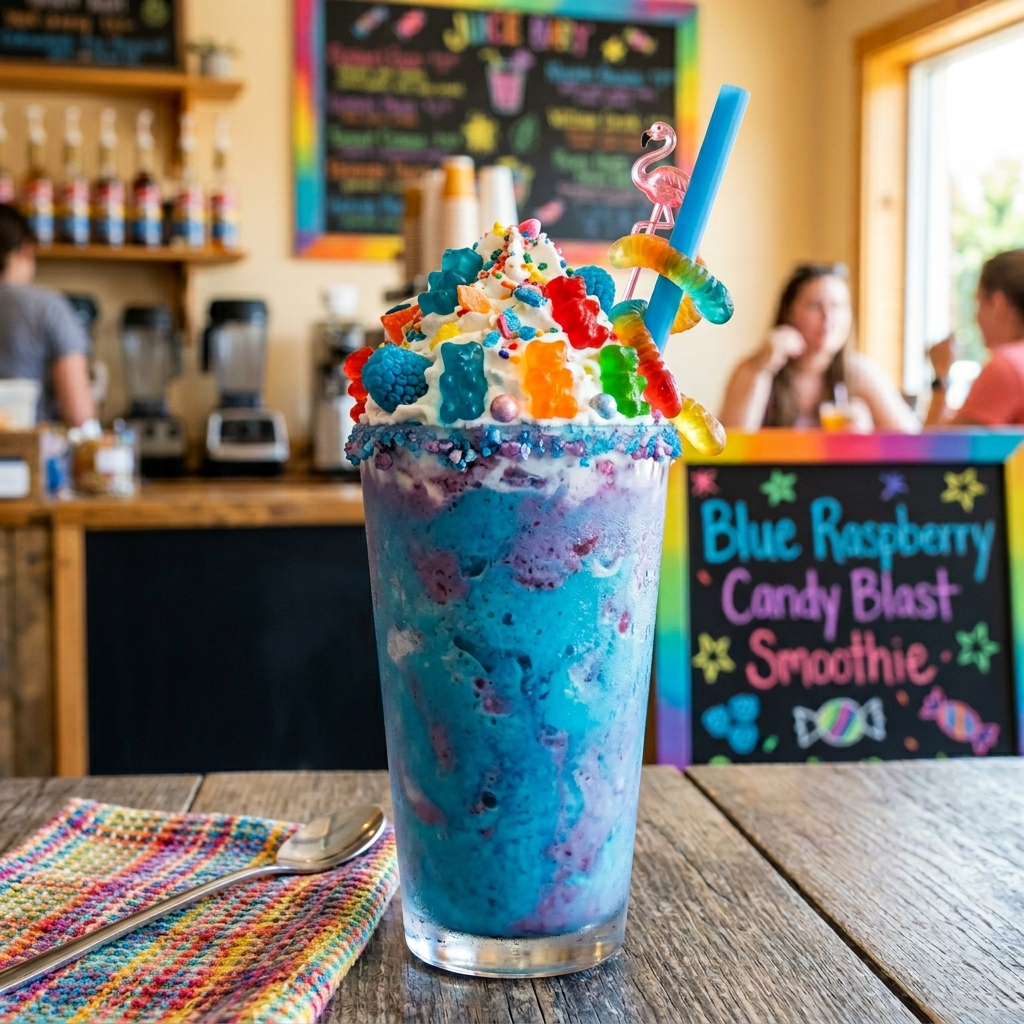
There is a specific kind of magic found in the electric glow of a blue raspberry treat. It’s a flavor that doesn’t exist in nature—raspberries are red, after all—yet it has become a cornerstone of global confectionery culture. TheBlue Raspberry Candy Blastis more than just a sweet; it is a sensory explosion of tart acidity and syrupy sweetness, wrapped in a glass-like crunch that takes us back to summer fairs and vintage candy shops.
The “Blue Raspberry” phenomenon originated in the 1950s when candy makers wanted a way to distinguish raspberry-flavored treats from the sea of red cherry, strawberry, and watermelon offerings. By utilizing “Brilliant Blue FCF,” they created an icon. This recipe elevates that nostalgia, using professional-grade techniques to achieve a professional “snap” and a flavor profile that balances the sharp zing of citric acid with the deep sweetness of cane sugar. Whether you are a hobbyist looking to master sugar work or a parent wanting to create a “wow” moment for a party, this recipe is your definitive blueprint.
2. Recipe Overview
- Cuisine Type:American Confectionery
- Difficulty Level:Intermediate (Requires precision temperature control)
- Total Time:1 hour (20 mins prep, 20 mins cooking, 20 mins cooling)
- Dietary Classifications:Vegan, Gluten-Free, Dairy-Free, Fat-Free
3. Equipment and Tools
Success in candy making is 10% ingredients and 90% the right tools. Because we are working with molten sugar, precision and safety are paramount.
- Heavy-Bottomed Stainless Steel Saucepan:3-quart capacity. A heavy base prevents hot spots that can scorch the sugar.
- Digital Candy Thermometer:Essential for reaching the “Hard Crack” stage (150∘C).
- Silicone Baking Mat or Molds:High-heat resistant surfaces to prevent sticking.
- Silicone Spatula:Heat-resistant up to 260∘C.
- Pastry Brush:For washing down the sides of the pot to prevent crystallization.
- Kitchen Shears:If you plan on “pulling” and cutting the candy manually.
4. Serving Suggestions
TheBlue Raspberry Candy Blastis a showstopper on its own, but its vibrant hue makes it a versatile decorative element.
- Plating:Serve in a clear glass apothecary jar to let the light catch the crystalline blue edges.
- Garnish:Dust with a mixture of powdered sugar and citric acid for a “sour belt” finish.
- Beverage Pairing:Contrast the sweetness with a cold glass of sparkling mineral water or a tart lemonade. For adults, these shards make a stunning garnish for a Blue Hawaiian or a vodka tonic.
- Occasions:Perfect for “reveal” parties, summer birthdays, or as a crushed topping for vanilla bean ice cream.
5. Nutritional Information
Per 28g serving (approx. 2-3 pieces):
| Metric | Amount |
|---|---|
| Calories | 110 kcal |
| Total Carbohydrates | 28g |
| Sugars | 22g |
| Sodium | 5mg |
| Fat/Protein | 0g |
Health Note:While high in sugar, this homemade version contains no preservatives or wax coatings often found in commercial “blue” candies.
6. Storage and Reheating
Sugar is hygroscopic, meaning it pulls moisture from the air. Proper storage is the difference between a “snap” and a “sticky mess.”
- Room Temperature:Store in an airtight container. Place parchment paper between layers.
- Environment:Keep in a cool, dry place. Humidity is the enemy of hard candy.
- Avoid Refrigeration:The moisture in a fridge will cause the candy to become tacky and cloudy.
- Shelf Life:If kept dry, these candies stay fresh for up to 6 weeks.
7. Expert Tips and Variations
Professional Chef Tips
- The Cold Water Test:Even with a thermometer, test your syrup by dropping a small amount into ice water. It should form brittle threads that snap instantly.
- Flavor Timing:Always add your Blue Raspberry extractafterremoving the pot from the heat. High heat can “cook off” the delicate flavor volatiles.
Common Mistakes
- Stirring too much:Once the sugar is dissolved and boiling, stop stirring. Stirring can induce crystallization, turning your clear candy into a grainy opaque block.
- Rushing the heat:Don’t use the “Power Boil” setting. Medium-high heat ensures even temperature rise.
Variations
- Electric Lemonade:Add a drop of yellow food coloring and lemon extract for a dual-tone effect.
- Midnight Blast:Add a tiny drop of violet coloring to deepen the blue into a royal indigo.
8. Ingredients Section
Ingredients List
- Granulated White Sugar:2 cups (400g)
- Light Corn Syrup:3/4 cup (180ml) — Prevents crystallization.
- Filtered Water:1/2 cup (120ml)
- Blue Raspberry Flavoring Oil:1 to 1.5 teaspoons (Concentrated “Candy Oils” work best).
- Neon Blue Gel Food Coloring:1/4 teaspoon.
- Citric Acid:1 teaspoon (Adjust for desired tartness).
Substitutions
- Corn Syrup:Can be replaced with a glucose syrup or a pinch of Cream of Tartar, though corn syrup provides the most reliable texture for beginners.
9. Step-by-Step Instructions
Step 1: Preparation
Prepare your work area. Line a baking sheet with a silicone mat or lightly grease your candy molds with a neutral oil (like grapeseed).Safety First:Keep a bowl of ice water nearby in case of accidental skin contact with hot sugar.
Step 2: The Dissolve
In your heavy saucepan, combine the sugar, corn syrup, and water. Stir over medium heat until the sugar grains are completely dissolved.
Step 3: The Cleanse
Use a wet pastry brush to wipe down the inside walls of the pot. This removes stray sugar crystals that could cause a chain reaction of crystallization (making the candy “sandy”).
Step 4: The Boil
Clip your candy thermometer to the side of the pot. Increase heat to medium-high.Do not stir.Allow the mixture to reach the “Hard Crack” stage, which is exactly 150∘C(302∘F).
Step 5: Flavor and Color
Once you hit 150∘C, remove the pot from the heat immediately. Wait for the bubbling to subside slightly. Add the blue food coloring, the raspberry flavoring oil, and the citric acid. Stir gently with a silicone spatula just until combined.
Step 6: The Pour
Carefully pour the molten syrup onto the silicone mat or into the molds. If using a mat, let it spread naturally into a sheet.
Step 7: The Set
Let the candy sit at room temperature for 20–30 minutes. If you poured a sheet, once it is hard and cool to the touch, tap it with the back of a metal spoon to “shatter” it into rustic, jewel-like shards.
10. Frequently Asked Questions (FAQ)
Q: Why did my candy turn out sticky?A: This usually happens if the candy didn’t reach the full 150∘C, or if the humidity in your kitchen is too high. Hard candy absorbs moisture from the air instantly.
Q: Can I use liquid food coloring?A: Gel or oil-based colors are better. Liquid coloring adds water back into the sugar, which can affect the final set and may cause “spitting” when added to the hot syrup.
Q: My sugar turned brown. What happened?A: This is caramelization. It happens if the heat is too high or if the candy is cooked past 160∘C. While still edible, it will taste like toasted sugar rather than blue raspberry.
Q: Is citric acid necessary?A: For “Blue Raspberry,” yes! Without it, the candy is just sweet. Citric acid provides the “tang” that defines the raspberry profile.
Q: How do I clean the hardened sugar off my pot?A: Fill the pot with water and bring it to a boil. The hardened sugar will dissolve back into the water, making cleanup effortless.