Table of Contents
You know those nights when you just need something comforting and delicious on the table, fast? That’s whereeasy pasta recipestruly shine. I love knowing I can whip up a satisfying meal with minimal fuss, making weeknights so much smoother.
Learning a few core techniques for easy pasta recipes means you can always create something wonderful, even with limited ingredients. This guide is all about simplifying your cooking. We’ll cover everything from pantry staples to clever variations and how to fix common pasta pitfalls. Get ready to transform your dinner routine with these simple, flavorful ideas!
What Makes These Dishes Worth Making
Easy pasta dishes are your kitchen superheroes. They save the day when you’re short on time but still want a homemade meal. Think about it: a delicious dinner in less time than it takes to order takeout. That’s a win in my book.
Their versatility is another huge plus. You can adapt them to whatever you have in your fridge or pantry. Leftover veggies? Toss them in. A bit of cheese that needs using up? Grate it over the top. It’s all about making the most of what you’ve got.
And let’s not forget the sheer comfort factor. A warm bowl of pasta just feels good. It’s satisfying and nourishing, perfect after a long day. Plus, it’s often incredibly budget-friendly, using staple ingredients you probably already have around. These aren’t just meals; they’re moments of simple joy at the dinner table.
Ingredients You Will Need
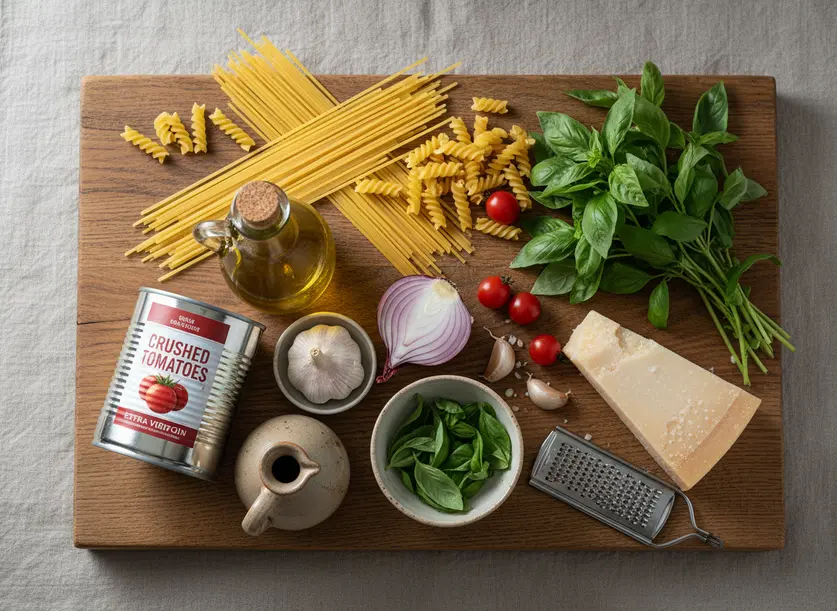
For most easy pasta recipes, you’ll need just a handful of basic ingredients. Start with your favorite pasta shape; spaghetti, penne, or fusilli all work great. I often keep a few boxes on hand. Olive oil is non-negotiable for building flavor, so use a good quality extra virgin kind if you can.
Garlic and onion are aromatic foundations for almost any sauce. If you don’t have fresh, garlic powder or onion powder can be a decent stand-in in a pinch. Canned tomatoes, whether crushed, diced, or whole peeled, are the backbone of many quick sauces. You can always blend whole peeled tomatoes for a smoother consistency.
Don’t forget some stock or broth – vegetable or chicken – to thin your sauce and add depth. Fresh herbs like basil or parsley really elevate the taste, but dried herbs are perfectly fine too. A sprinkle of Parmesan cheese is usually a must-have at the end, but any hard, salty cheese like Pecorino Romano works beautifully. Sometimes, I even use nutritional yeast for a dairy-free cheesy flavor.
How to Make It Step by Step
Making a simple pasta dish is quite straightforward once you get the hang of it. Here’s a basic framework that applies to many easy pasta recipes:
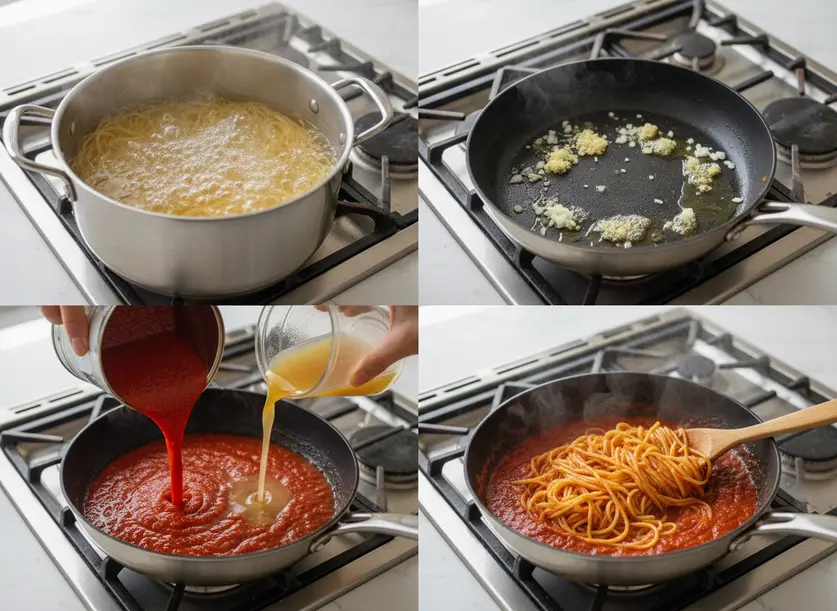
- Boil Water and Cook Pasta:Fill a large pot with plenty of water and add a generous pinch of salt. Bring it to a rolling boil, then add your pasta. Cook according to package directions until it’s al dente, which means it’s firm to the bite but not hard.
- Sauté Aromatics:While the pasta cooks, heat a glug of olive oil in a large skillet or pan over medium heat. Add finely chopped garlic and onion, cooking until softened and fragrant, about 3-5 minutes. Be careful not to burn the garlic.
- Build Your Sauce Base:Pour in your canned tomatoes, along with some vegetable or chicken broth. Bring the sauce to a gentle simmer. If you like, add dried herbs like oregano or a pinch of red pepper flakes for a little kick at this stage.
- Reserve Pasta Water:Before draining your pasta, scoop out about a cup of the starchy cooking water. This magic ingredient helps emulsify your sauce and makes it super silky.
- Combine Pasta and Sauce:Drain the cooked pasta and immediately add it directly to your skillet with the simmering sauce. Toss everything together vigorously, allowing the pasta to absorb some of the sauce’s flavor.
- Adjust Consistency:Add reserved pasta water, a tablespoon at a time, if the sauce seems too thick or needs to cling better to the pasta. Keep tossing until the sauce coats every strand beautifully.
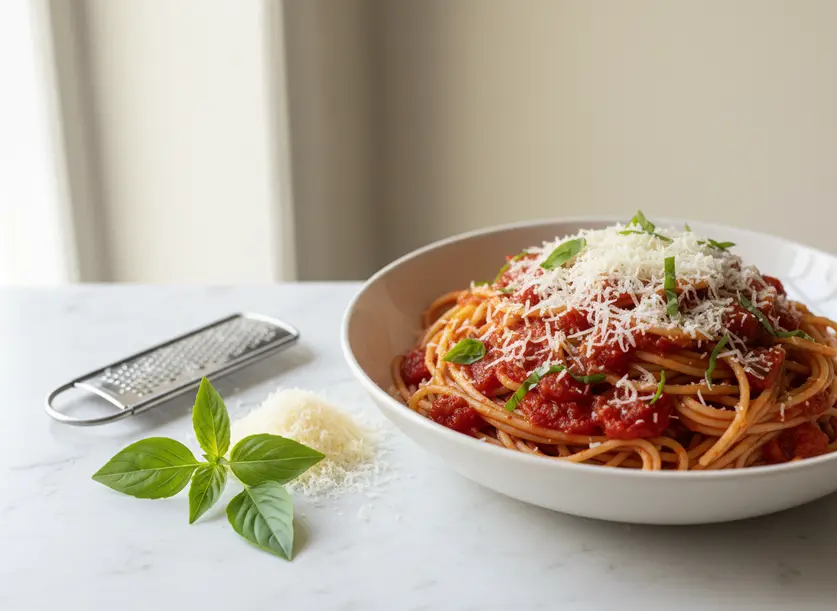
- Finish with Freshness:Remove the pan from the heat. Stir in a pat of butter if you want extra richness, and then add fresh basil or parsley. Finish with a generous grating of Parmesan cheese. A squeeze of lemon juice can brighten everything up too!
Tips for the Best Results
Getting a fantastic pasta dish doesn’t have to be complicated. Here are my favorite tips for consistently great results. First, always cook your pasta in generously salted water. It should taste like the sea! This is your only chance to season the pasta itself, so don’t skimp on the salt.
Secondly, never overcook your pasta. Al dente is key. Mushy pasta can ruin an otherwise perfect dish. Start checking it a minute or two before the package suggests. Remember that it will continue to cook slightly when you toss it with the hot sauce.
Third, and this is crucial, reserve that pasta water! It’s liquid gold. The starch in the water helps bind your sauce to the pasta, creating a luscious, emulsified coating. It can also help loosen a sauce that’s become too thick.
Finally, taste and adjust your seasoning as you go. A pinch more salt, a grind of black pepper, or a dash of red pepper flakes can make all the difference. For storage, let any leftover pasta cool completely before transferring it to an airtight container. It usually keeps well in the fridge for 3-4 days. Reheat gently on the stovetop with a splash of water or broth to loosen the sauce.
Variations to Try
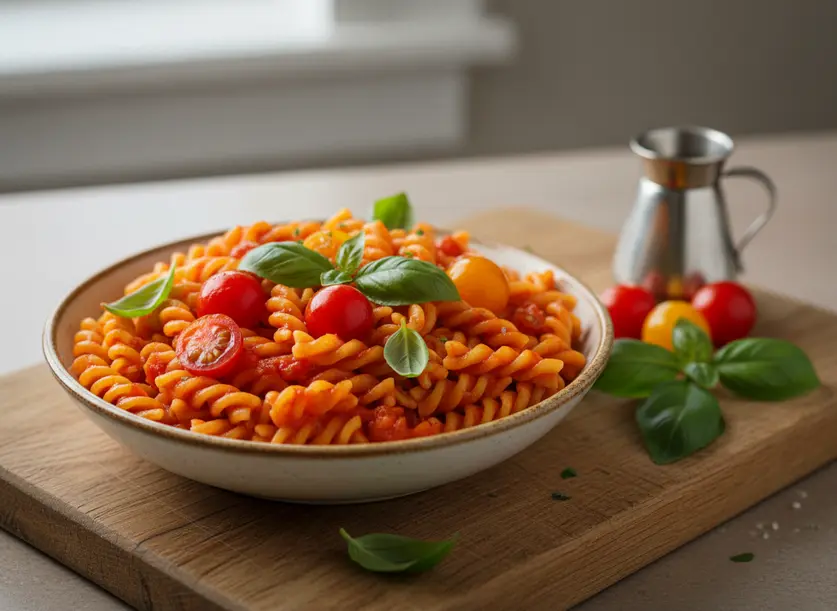
Once you master the basics, you can easily adapt your easy pasta recipes to suit your mood or what’s in season. For a delicious vegetarian option, try a roasted vegetable pasta. Toss broccoli florets, bell peppers, zucchini, and cherry tomatoes with olive oil, salt, and pepper. Roast them until tender and slightly caramelized, then toss with your cooked pasta and a light garlic and olive oil sauce. It’s fresh and vibrant.
If you’re craving something with more protein, consider a quick sausage and spinach pasta. Brown some Italian sausage in your pan, breaking it up as it cooks. Add fresh spinach until it wilts, then toss with your tomato-based sauce and pasta. The flavors marry beautifully. For a fantastichigh-protein chicken pasta, check out this recipe!
Another simple variation is a creamy lemon herb pasta. Skip the tomatoes and instead create a sauce with butter, garlic, lemon zest, fresh lemon juice, and a splash of reserved pasta water. Finish with fresh dill or parsley and a generous amount of Parmesan. It’s surprisingly rich and bright, perfect for a lighter meal. For a refreshing side, try aneasy Mediterranean pasta salador a vibrantGreek Orzo Salad.
FAQ
What makes pasta ‘easy’?
Easy pasta recipes typically involve minimal ingredients, many of which are pantry staples, and straightforward cooking techniques. They usually come together in 30 minutes or less from start to finish, relying on simple sautéing, simmering, and tossing rather than complex preparations or multiple cooking steps. The focus is on quick flavor development without fuss.
Can I make easy pasta dishes ahead of time?
While fresh pasta is always best, you can definitely do some prep work in advance. You can make your sauce a day or two ahead and store it in the fridge. Cook your pasta just before serving, then combine it with the reheated sauce. If you want to make the entire dish ahead, it will keep in the fridge for a few days, but the pasta might absorb more sauce and become softer upon reheating.
How do I prevent my pasta from getting sticky?
To prevent sticky pasta, always use a large pot with plenty of water, ensuring the pasta has room to move freely. Add a generous amount of salt to the boiling water, and stir the pasta frequently during the first few minutes of cooking. Make sure you don’t overcook it – al dente pasta is less likely to stick. Adding a drizzle of olive oil to the water does *not* prevent sticking; it just makes the sauce slide off. Instead, if you’re not immediately mixing it with sauce, you can toss the drained pasta with a little olive oil to keep it from clumping. If it does clump, a splash of hot water usually helps loosen it up.
Easy Weeknight Pasta
Ingredients
Method
- Fill a large pot with plenty of water and add a generous pinch of salt. Bring it to a rolling boil, then add your pasta. Cook according to package directions until it's al dente, which means it's firm to the bite but not hard.
- While the pasta cooks, heat a glug of olive oil in a large skillet or pan over medium heat. Add finely chopped garlic and onion, cooking until softened and fragrant, about 3-5 minutes. Be careful not to burn the garlic.
- Pour in your canned tomatoes, along with some vegetable or chicken broth. Bring the sauce to a gentle simmer. If you like, add dried herbs like oregano or a pinch of red pepper flakes for a little kick at this stage.
- Before draining your pasta, scoop out about a cup of the starchy cooking water. This magic ingredient helps emulsify your sauce and makes it super silky.
- Drain the cooked pasta and immediately add it directly to your skillet with the simmering sauce. Toss everything together vigorously, allowing the pasta to absorb some of the sauce's flavor.
- Add reserved pasta water, a tablespoon at a time, if the sauce seems too thick or needs to cling better to the pasta. Keep tossing until the sauce coats every strand beautifully.
- Remove the pan from the heat. Stir in a pat of butter if you want extra richness, and then add fresh basil or parsley. Finish with a generous grating of Parmesan cheese. A squeeze of lemon juice can brighten everything up too!