1. Introduction
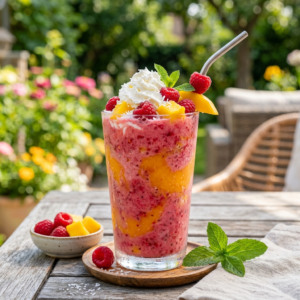
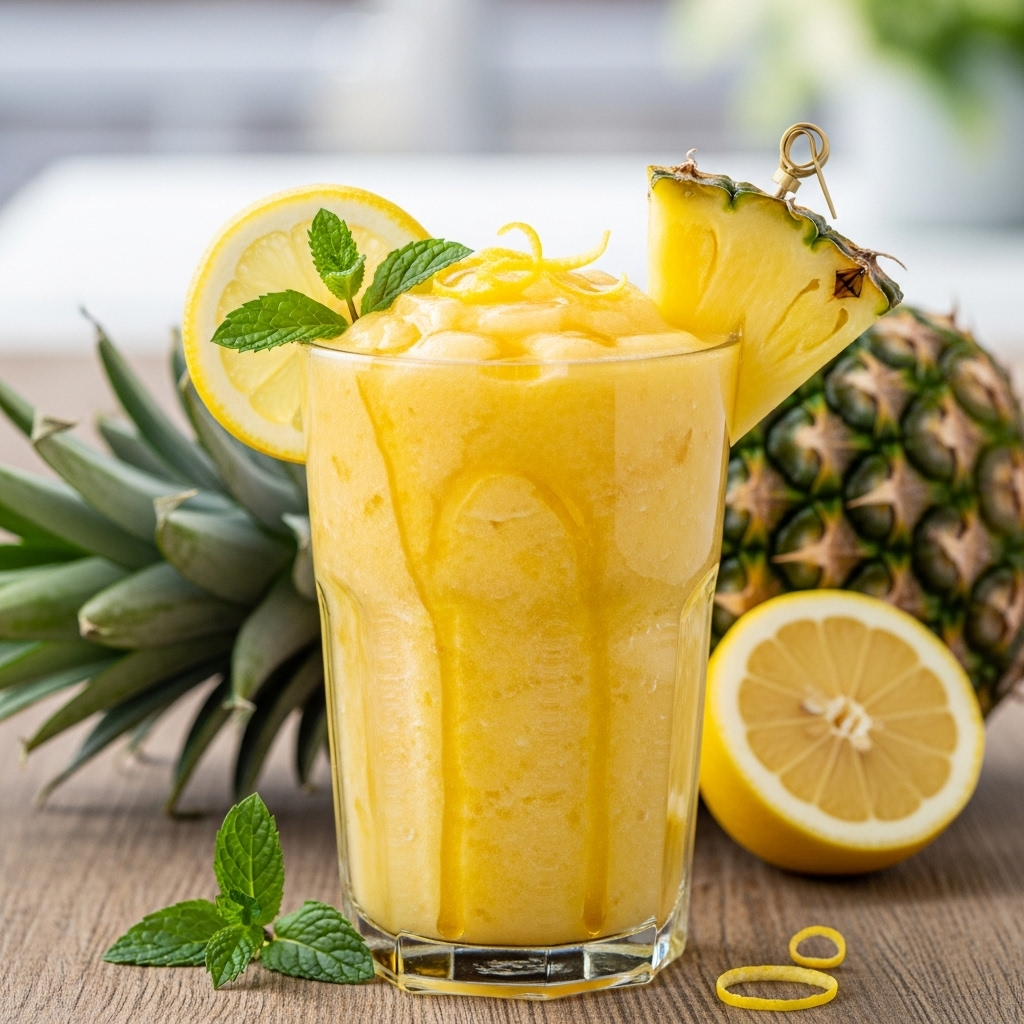
Imagine standing on a sun-drenched balcony, the scent of salt air mingling with the vibrant aroma of ripening fruit. That sensory bliss is exactly what thisPineapple Lemon Smoothiecaptures in a single glass. Often referred to in culinary circles as “Liquid Sunshine,” this drink is more than just a quick breakfast; it is a masterclass in flavor balancing.
The marriage of pineapple and lemon is a classic tropical trope, rooted in the coastal cuisines of Southeast Asia and the Caribbean, where citrus is used to cut through the heavy sweetness of sun-ripened stone fruits and bromeliad varieties. While pineapple provides a lush, candy-like base, the lemon introduces a sophisticated acidity that cleanses the palate and heightens the fruit’s natural profile.
Historically, smoothies evolved from the pureed fruit drinks of Mediterranean and Latin American cultures (likeaguas frescas). However, this specific iteration focuses on a creamy, modern texture that bridges the gap between a refreshing juice and a decadent dessert. Whether you are recovering from a workout or looking for a bright start to a rainy morning, this smoothie offers a revitalizing narrative of health and indulgence.
2. Recipe Overview
- Cuisine Type:Modern Tropical / American
- Difficulty Level:Easy
- Total Preparation Time:5–7 minutes
- Total Cooking Time:0 minutes (No-cook recipe)
- Dietary Classifications:Vegan, Vegetarian, Gluten-Free, Dairy-Free (if using plant milk), Paleo-friendly.
3. Equipment and Tools
To achieve the velvety “velouté” texture essential for a high-end smoothie, the right tools are non-negotiable.
- High-Speed Blender:A motor with at least 1200 watts is recommended to pulverize frozen pineapple chunks and lemon zest.
- Measuring Cups and Spoons:For both dry and liquid ingredients.
- Microplane or Zester:To extract the essential oils from the lemon peel without the bitter pith.
- Citrus Press:To maximize juice extraction while filtering out seeds.
- Glassware:16 oz (475 ml) highball glasses or Mason jars.
- Silicone Spatula:To scrape down the sides of the blender jar.
4. Serving Suggestions
Plating Recommendations:
Serve in a chilled glass. For a “frosty” look, place your glassware in the freezer for 10 minutes prior to serving. Pour the smoothie slowly to maintain its aerated volume.
Garnish Ideas:
- A thin wheel of fresh lemon perched on the rim.
- A sprig of fresh mint for a verdant aromatic contrast.
- A sprinkle of hemp seeds or shredded coconut on top for texture.
Beverage Pairings:
While this is a standalone drink, it pairs beautifully with a light brunch of avocado toast or a spicy quinoa breakfast bowl. The acidity of the lemon acts as a perfect counterpoint to savory, fatty flavors.
5. Nutritional Information
(Per 16 oz serving)
| Nutrient | Amount |
| Calories | 210 kcal |
| Total Fat | 1.5g |
| Sodium | 15mg |
| Total Carbohydrates | 48g |
| Dietary Fiber | 5g |
| Sugars | 32g (Natural) |
| Protein | 3g |
| Vitamin C | 120% DV |
Health Benefits:
- Bromelain:Found in pineapple, this enzyme aids digestion and reduces inflammation.
- Alkalizing:Despite their acidity, lemons have an alkalizing effect on the body once metabolized.
- Hydration:High water content combined with natural electrolytes.
6. Storage and Reheating
Refrigeration:
Smoothies are best enjoyed immediately. However, you can store this in an airtight container for up to24 hours. Note that separation is natural; shake vigorously before consuming.
Freezing:
Pour leftovers into silicone ice cube trays. These “smoothie cubes” can be tossed back into a blender later with a splash of liquid for an instant refresh.
Reheating:
Not applicable. However, if the smoothie is too frozen to drink, let it sit at room temperature for 10 minutes or pulse in the blender with a tablespoon of warm water.
7. Expert Tips and Variations
- The “Zest” Secret:Never skip the lemon zest. The juice provides the tartness, but the zest contains the essential oils that provide the “bright” floral aroma.
- The Frozen Fruit Rule:Use frozen pineapple instead of ice cubes. Ice dilutes the flavor; frozen fruit creates a creamy, sorbet-like consistency.
- Avoid the Pith:When zesting the lemon, stop as soon as you see the white layer. The pith is incredibly bitter and will ruin the delicate balance.
Variations:
- The Green Goddess:Add a handful of baby spinach. The pineapple is strong enough to mask the “leafy” taste while adding Vitamin K.
- Protein Power:Add one scoop of vanilla pea protein or Greek yogurt for a post-gym recovery meal.
- Spiced Tropical:Add a 1/2 inch knob of fresh ginger to aid digestion and add a spicy kick.
8. Ingredients Section
Main Ingredients
- 2 cups (300g)Frozen Pineapple Chunks (Sourced from ripe, organic fruit if possible).
- 1 mediumOrganic Lemon (Zested and juiced).
- 1 cup (240ml)Unsweetened Almond Milk or Coconut Water (For a tropical twist).
- 1/2 cup (120g)Plain Greek Yogurt or Coconut Cream (For silkiness).
- 1 tbspRaw Honey or Maple Syrup (Optional, depending on pineapple sweetness).
- 1/2 tspPure Vanilla Extract.
Substitutions
- Pineapple:Mango is a suitable 1:1 replacement.
- Lemon:Lime provides a “Mojito-style” vibe.
- Liquid Base:Orange juice can be used for an extra Vitamin C boost, though it increases sugar content.
9. Step-by-Step Instructions
- Prep the Citrus:Using your microplane, zest the lemon into a small bowl. Cut the lemon in half and juice it, ensuring no seeds fall into the liquid.
- Layer the Liquids:Add the almond milk (or coconut water), lemon juice, and vanilla extract to the blender base first.Technique Tip: Always add liquids first to prevent the blades from “cavitating” or getting stuck on frozen fruit.
- Add the Creaminess:Spoon in the Greek yogurt or coconut cream.
- Incorporate the Fruit:Add the frozen pineapple chunks on top of the liquid/creamy layers.
- The “Aroma” Step:Add the lemon zest and your chosen sweetener.
- The Blend:Start the blender on the lowest speed and gradually increase to high. Blend for 45–60 seconds.
- Check Consistency:If the smoothie is too thick, add liquid 1 tablespoon at a time. If too thin, add more frozen pineapple.
- Final Emulsion:Switch to high speed for the last 10 seconds to ensure a completely homogenous emulsion.
- Serve:Pour into a glass and garnish immediately.
10. Frequently Asked Questions (FAQ)
Q: Can I use fresh pineapple instead of frozen?
A: Yes, but you will need to add about 1 cup of ice to achieve a cold, thick texture. Note that this may slightly dilute the flavor.
Q: Is this smoothie okay for a keto diet?
A: Pineapple is relatively high in natural sugars. To make it more keto-friendly, reduce the pineapple to 1/2 cup and add more fats like avocado or MCT oil.
Q: How do I keep my smoothie from separating?
A: Adding a healthy fat or protein (like yogurt or a teaspoon of chia seeds) acts as an emulsifier, helping the water and fruit fibers stay bonded longer.
Q: Why does my smoothie taste bitter?
A: You likely blended the lemon seeds or too much of the white pith. Ensure only the yellow zest and clear juice are used.
Q: Can I make this a “bowl” instead of a drink?
A: Absolutely. Reduce the liquid base by half. This will create a thick, soft-serve consistency that you can eat with a spoon and top with granola.