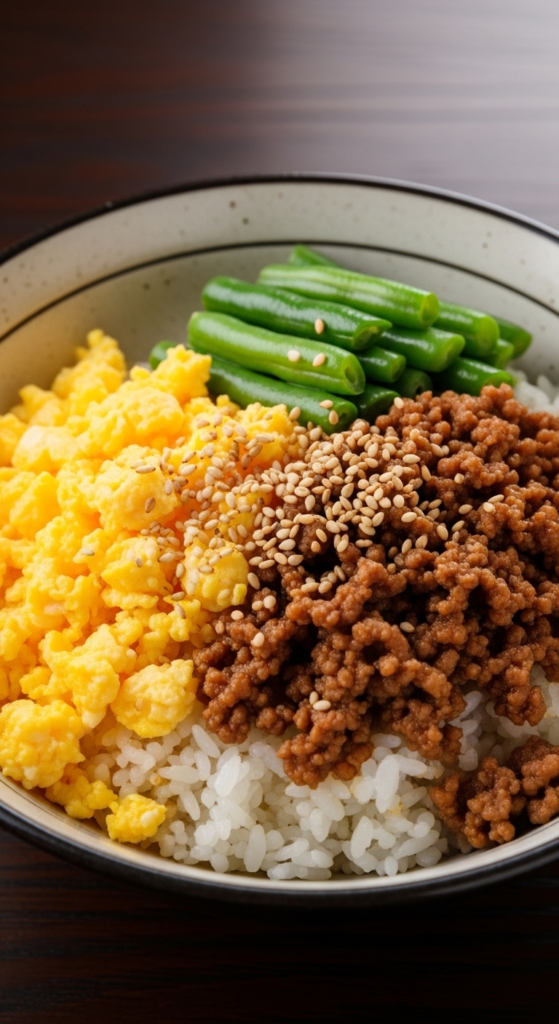
1. Introduction: The Pantry Hero You’ve Been Waiting For
There is a specific kind of magic that happens when high-quality convenience meets culinary creativity. For many, the humble can of tuna is a “back-of-the-pantry” emergency item—something reserved for basic sandwiches or mayo-heavy salads. However, theTuna Rice Bowl(often inspired by KoreanChamchi-deopbapor JapaneseSashimi-deopbap) elevates this shelf-stable staple into a vibrant, textural masterpiece.
This dish tells a story of modern fusion. It bridges the gap between the traditional JapaneseDonburi—where ingredients are draped over steaming rice—and the contemporary need for “brain food” that doesn’t require an hour at the stove. Whether you are a student looking for a nutritious meal on a budget or a busy professional craving the zing of sriracha and the crunch of fresh cucumber, this bowl is your new best friend. It’s a celebration of contrasts: the warmth of the rice against the cool tuna, and the creamy richness of avocado against the sharp acidity of pickled ginger.
2. Recipe Overview
- Cuisine Type:Asian-Fusion (Korean/Japanese Inspired)
- Difficulty Level:Easy
- Total Time:15 minutes (assuming rice is pre-cooked)
- Dietary Classifications:Dairy-Free, Nut-Free, Gluten-Free (if using Tamari)
3. Equipment and Tools
To achieve the perfect texture and presentation, ensure you have the following tools ready:
- Medium Saucepan or Electric Rice Cooker:For preparing the base grain.
- Mixing Bowl (Medium):To dress the tuna without splashing.
- Chef’s Knife and Cutting Board:For precise dicing of vegetables.
- Fine-Mesh Strainer:Essential for draining the tuna to prevent a soggy bowl.
- Serving Bowls:Deep, wide bowls (approx. 24 oz / 700 ml volume) to allow for easy mixing.
- Measuring Spoons:For the sauce balance.
4. Serving Suggestions
Plating:Start with a mound of rice in the center. Arrange your colorful vegetables in distinct “sections” around the perimeter, leaving the center for the tuna mixture. This creates a “Poke-style” visual appeal.
- Garnish:Toasted sesame seeds (black and white), thinly sliced scallions, and a sheet of toasted Nori (seaweed) cut into strips.
- Side Dishes:A side of Miso soup or a simple sunomono (cucumber salad) balances the richness of the mayo.
- Beverage Pairing:A crisp, cold Lager or a hot cup of Genmaicha (brown rice green tea).
5. Nutritional Information (Per Serving)
Note:Based on a standard serving size including 1/2 cup cooked rice and 1/2 can of tuna.
| Metric | Amount |
| Calories | 420 kcal |
| Protein | 28g |
| Fat | 18g |
| Carbohydrates | 36g |
| Fiber | 5g |
Health Benefits:High in Omega-3 fatty acids for heart health and lean protein for muscle recovery.
6. Storage and Reheating
- Refrigeration:Store the tuna mixture and the rice inseparateairtight containers. The tuna will stay fresh for up to 2 days.
- Freezing:Not recommended for the assembled bowl or the tuna salad mixture.
- Reheating:Only reheat the rice (add a teaspoon of water and cover to steam).Do not microwave the dressed tuna, as the heat will cause the mayonnaise to separate and the tuna to develop a strong “fishy” aroma.
7. Expert Tips and Variations
- The Rice Secret:Use short-grain Japanese rice (sushi rice). Its starchiness helps it “climb” onto your chopsticks along with the toppings.
- Common Mistake:Using tuna packed in water without draining it thoroughly. Use a fork to press every drop of liquid out.
- Variations:
- The Low-Carb:Swap rice for cauliflower rice or shredded cabbage.
- The Mediterranean:Use olive oil-packed tuna, feta, cucumbers, and lemon juice instead of sriracha and mayo.
- The Tropical:Add diced mango for a sweet-and-spicy contrast.
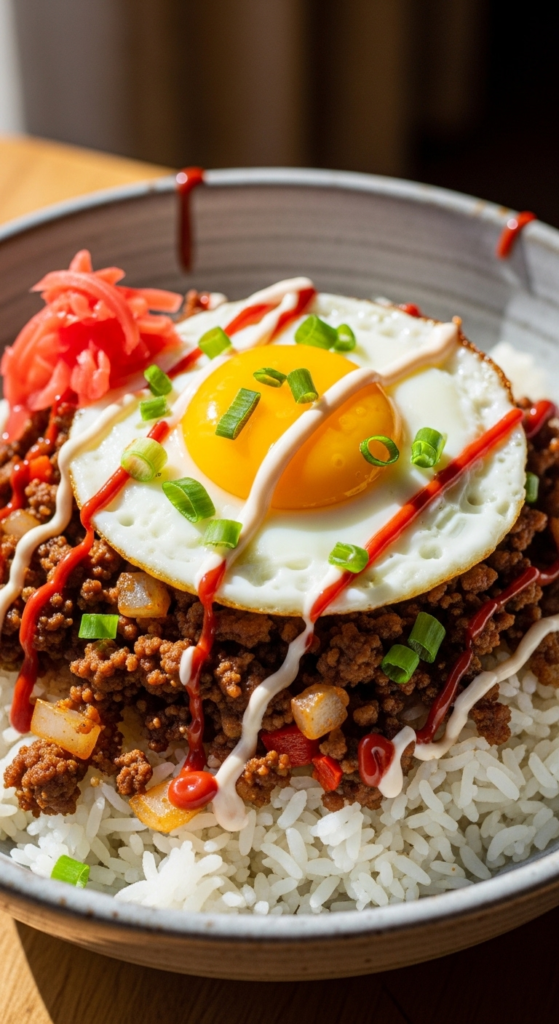
8. Ingredients Section
The Protein & Base
- Canned Tuna:2 cans (5 oz / 142g each) – preferably solid white albacore.
- Cooked Rice:2 cups (approx. 400g) – Jasmine or Sushi rice.
The “Spicy” Sauce
- Kewpie Mayo:3 tbsp (Japanese mayo adds a unique umami; sub with regular mayo + pinch of sugar).
- Sriracha:1-2 tbsp (adjust for heat).
- Toasted Sesame Oil:1 tsp.
- Soy Sauce or Tamari:1 tsp.
The Toppings
- Cucumber:1/2 English cucumber, diced small.
- Avocado:1 large, sliced.
- Edamame:1/2 cup, shelled and steamed.
- Radishes:2, thinly sliced for crunch.
9. Step-by-Step Instructions
- Prepare the Rice:If not using leftovers, rinse your rice until the water runs clear. Cook according to package instructions. Once done, fluff with a fork and let it sit uncovered for 2 minutes to allow excess steam to escape.
- Drain the Tuna:Open the cans and use the lid or a strainer to press out all liquid. The tuna should be flaky and dry.
- Mix the Tuna Salad:In your mixing bowl, combine the drained tuna, mayo, sriracha, sesame oil, and soy sauce. Use a fork to incorporate the sauce until the tuna is fully coated but still has some texture.
- Prep the Veggies:While the rice cools slightly, dice your cucumber and avocado. Slicing the radishes paper-thin adds a professional touch.
- Assemble:Divide the rice into two bowls. Place a generous scoop of the tuna mixture in the center.
- Style:Arrange the cucumber, edamame, and avocado around the tuna.
- Final Flourish:Drizzle with extra sriracha if desired. Sprinkle generously with sesame seeds and furikake (Japanese seasoning).
10. Frequently Asked Questions (FAQ)
Q: Can I use fresh tuna instead of canned?
A: Absolutely! If you have access to sushi-grade tuna, dice it into small cubes and follow the same dressing steps for a “Poke” style bowl.
Q: Why is my bowl tasting bland?
A: Most likely a lack of acidity. Add a splash of rice vinegar to the rice while it’s warm, or squeeze a fresh lime wedge over the finished bowl.
Q: Is this meal good for meal prepping?
A: Yes! It’s a “cold” meal, making it perfect for office lunches. Keep the sauce/tuna separate from the vegetables until you are ready to eat to maintain the crunch.
Q: What is a good substitute for Kewpie Mayo?
A: Use standard mayonnaise but add a drop of rice vinegar and a tiny pinch of sugar to mimic that signature Japanese tang and sweetness.