
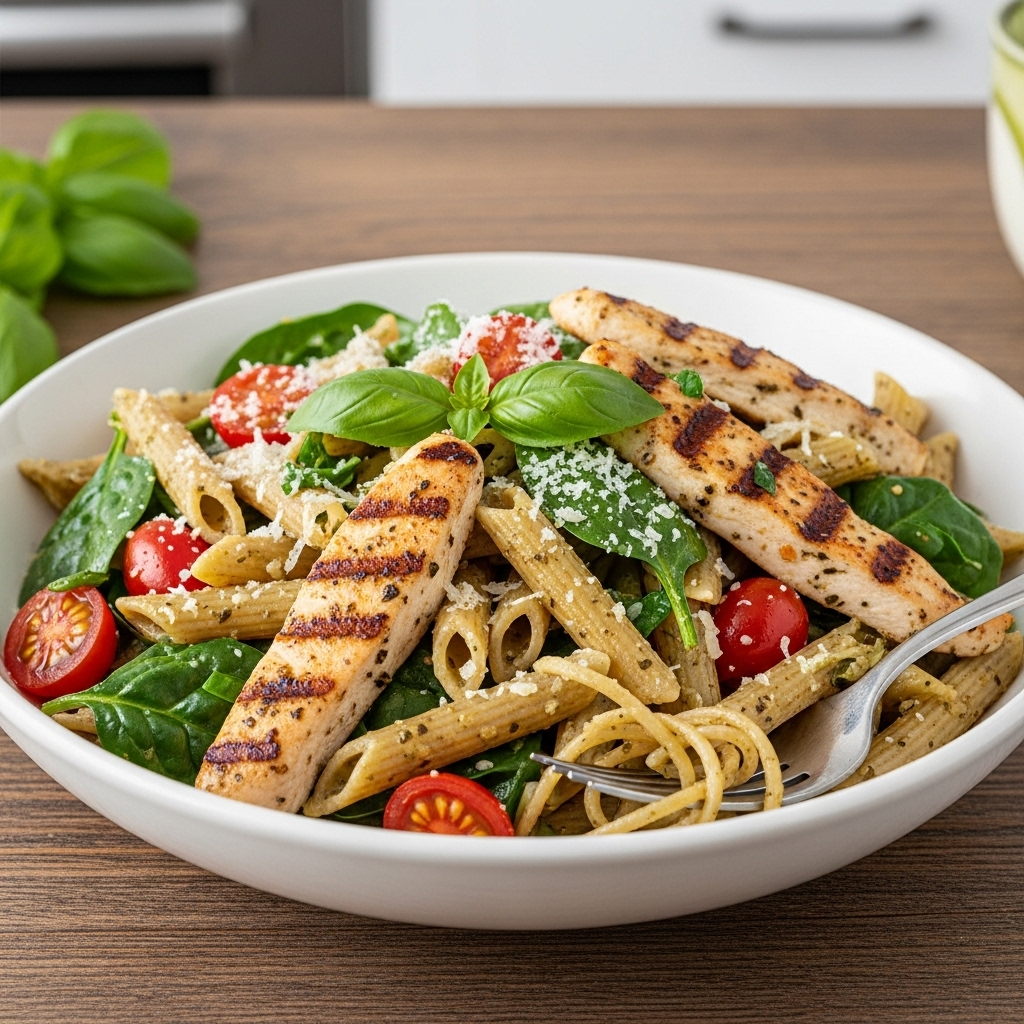
1. Introduction
For decades, pasta has been the ultimate culinary paradox: a beloved comfort food often relegated to “cheat meal” status due to its high carbohydrate density. However, a nutritional revolution is unfolding in kitchens worldwide.Protein pastahas emerged as the bridge between indulgent Italian tradition and modern fitness goals.
Whether you are an athlete looking for efficient glycogen replenishment with a side of muscle repair, or someone simply trying to stay fuller for longer, protein pasta is a game-changer. This isn’t just about “diet food”; it’s about reimagining a staple. From the ancient flour-and-egg traditions of Emilia-Romagna to modern innovations using chickpeas, lentils, and lupini beans, the evolution of the noodle is a testament to our desire for balance. This guide explores the “why” and the “how” of making protein-packed pasta a delicious, permanent fixture in your diet.
2. Recipe Overview
- Cuisine Type:Modern Italian-Fusion
- Difficulty Level:Easy to Intermediate
- Prep Time:10 minutes
- Cook Time:15 minutes
- Total Time:25 minutes
- Dietary Classifications:High-Protein, Can be made Gluten-Free/Vegan depending on noodle choice.
3. Equipment and Tools
To achieve the perfectal dentetexture and a silky, protein-rich sauce, you’ll need the following:
- Large Stockpot:Minimum 6-quart capacity. High-protein pastas (especially legume-based) tend to foam more than wheat pasta; extra headspace is vital.
- Colander:Fine-mesh preferred for smaller pasta shapes.
- Large Sauté Pan:12-inch diameter with high sides (approx. 3 inches deep) for “finishing” the pasta in the sauce.
- Digital Kitchen Scale:For precise macro-tracking and ingredient measurements.
- Immersion Blender or High-Speed Blender:Essential if you are making a creamy sauce using cottage cheese or silken tofu as a protein base.
- Microplane/Grater:For fresh parmesan or citrus zest.
4. Serving Suggestions
Plating Recommendations:Use wide, shallow bowls rather than flat plates to retain heat. Twirl long noodles into a “nest” using a carving fork for a professional aesthetic.
Garnish Ideas:
- Fresh Basil or Microgreens:Adds a pop of color and brightness.
- Toasted Pine Nuts:For a healthy fat crunch.
- Red Pepper Flakes:To cut through the richness of high-protein creamy sauces.
Beverage Pairings:
- Wine:A crispVermentinoor a lightPinot Noircomplements the denser texture of protein-based noodles.
- Non-Alcoholic:Sparkling water with a wedge of lemon or an iced hibiscus tea.
5. Nutritional Information
(Estimated per serving, based on Chickpea Pasta with Savory Turkey Bolognese)
| Nutrient | Amount |
|---|---|
| Calories | 450 kcal |
| Protein | 35g |
| Total Fat | 12g |
| Carbohydrates | 52g |
| Fiber | 9g |
Health Benefits:High-protein pasta options typically offer alower glycemic index (GI)than traditional white flour pasta. This results in more stable blood sugar levels and sustained energy, making it an excellent choice for diabetic-friendly diets or weight management.
6. Storage and Reheating
- Refrigeration:Store in an airtight container for up to 4 days. Keep the sauce and pasta together to prevent the noodles from drying out.
- Freezing:While sauces freeze well (up to 3 months), legume-based noodles can become grainy after thawing. It is best to freeze the sauce separately and boil fresh noodles.
- Reheating:Avoid the microwave if possible, as it can make protein noodles rubbery. Instead, reheat in a sauté pan over medium heat with a splash of water or broth to loosen the sauce.
7. Expert Tips and Variations
Professional Chef Tips
- The “Pasta Water” Rule:Always reserve at least one cup of the cooking water. Because protein pastas are often starchier, this water is liquid gold for emulsifying your sauce.
- Slightly Under-Cook:Legume pastas go fromal denteto mushy in about 30 seconds. Pull them off the heat 1 minute before the package instructions suggest.
Creative Variations
- The Vegan Powerhouse:Use red lentil penne with a nutritional yeast and silken tofu “Alfredo” sauce.
- The Low-Carb Hybrid:Mix protein pasta 50/50 with zucchini noodles (zoodles) for high volume and lower calories.
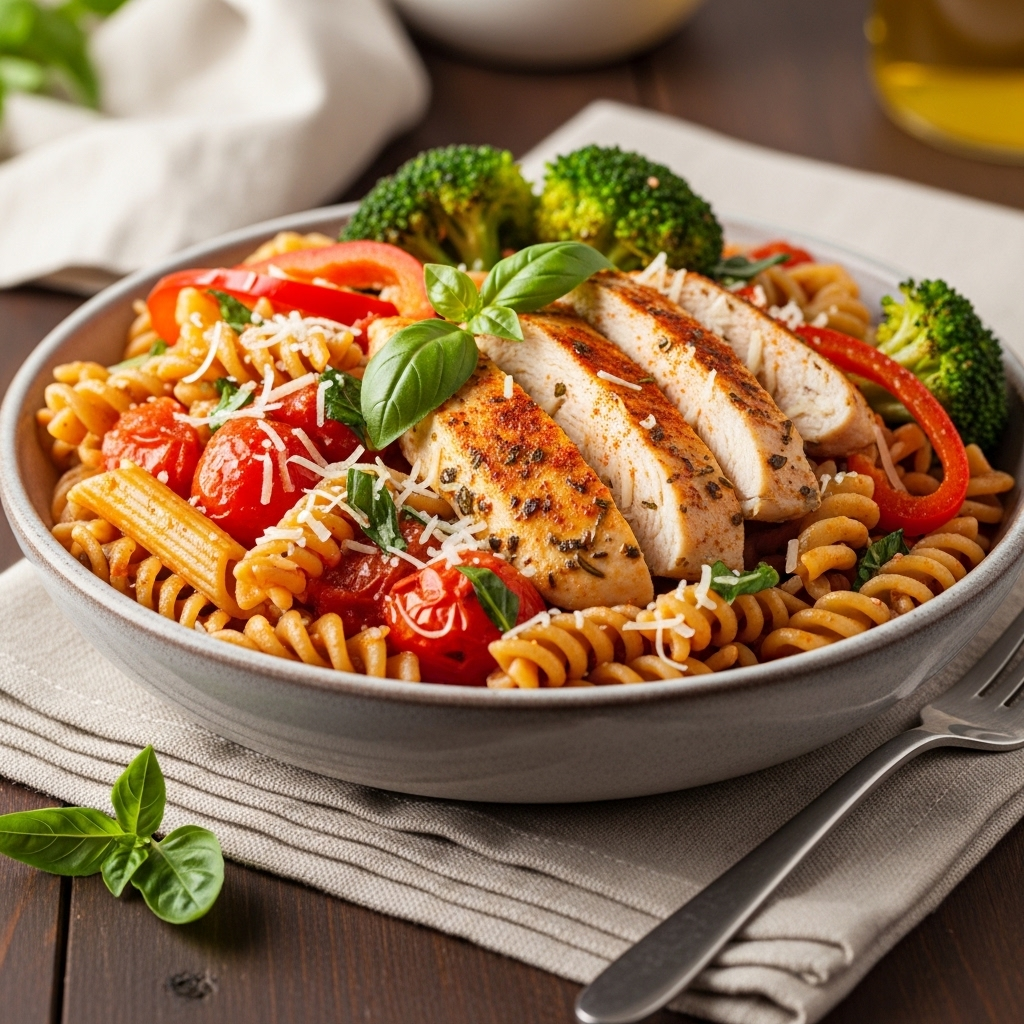
8. Ingredients Section
The Base (Choose One)
- Chickpea or Lentil Pasta:8 oz (227g) – High fiber and plant protein.
- Edamame Pasta:8 oz (227g) – Highest protein-to-carb ratio.
- High-Protein Wheat Pasta:(Infused with egg whites or pea protein).
The High-Protein Sauce
- Lean Ground Turkey or Grass-fed Beef:1 lb (450g).
- Low-Fat Cottage Cheese:1 cup (225g) – Blended until smooth for a “cream” sauce.
- Greek Yogurt (Plain):½ cup (115g) – To be stirred in at the very end.
Aromatics and Seasoning
- Garlic:3 cloves, minced.
- Yellow Onion:1 medium, finely diced.
- Tomato Paste:2 tbsp.
- Italian Seasoning:1 tbsp.
- Sea Salt & Black Pepper:To taste.
9. Step-by-Step Instructions
- Boil the Water:Bring a large pot of heavily salted water to a rolling boil. Use about 1 tablespoon of salt per 4 quarts of water.
- Sauté Aromatics:In your sauté pan, heat 1 tsp of olive oil. Add diced onions and cook until translucent (5 mins). Add minced garlic and cook for 1 minute until fragrant.
- Brown the Protein:Add your ground meat (turkey or beef) to the pan. Break it apart with a wooden spoon and cook until no pink remains. Season with salt, pepper, and dried herbs.
- The Sauce Foundation:Stir in tomato paste and cook for 2 minutes to caramelize. If using a “creamy” base, add your blended cottage cheese now, keeping the heat low to prevent curdling.
- Cook the Pasta:Drop the protein pasta into the boiling water.Set a timer.Stir frequently to prevent sticking.
- The Marriage:Just before straining the pasta, scoop out 1/2 cup of the starchy water. Add the pasta directly into the sauté pan with the sauce.
- Emulsify:Add the reserved pasta water slowly, tossing the pasta constantly over medium-high heat. The friction and starch will create a glossy, thick sauce that clings to every noodle.
- Final Touch:Turn off the heat. Stir in fresh herbs or a handful of parmesan.
10. Frequently Asked Questions (FAQ)
Q: Why does my protein pasta always turn out mushy?A: Legume-based pastas (chickpea, lentil) lack the gluten structure of wheat. They require less cooking time. Always test the pasta 2 minutes before the package says it’s done.
Q: Is protein pasta actually healthier than regular pasta?A: “Healthier” depends on your goals. It generally contains more fiber and protein, which helps with satiety. However, it is often similar in calories to regular pasta, so portion control still matters.
Q: Can I use Greek yogurt in the sauce?A: Yes, but never boil it. If you add Greek yogurt while the pan is on high heat, it will break and become grainy. Stir it in after removing the pan from the burner.
Q: Which brand is the best?A: Look for brands where the only ingredients are the legume flour (e.g., “Chickpea Flour”). Avoid brands with heavy fillers or gums if you want the best nutritional profile.
Q: Does it taste like “regular” pasta?A: Legume pastas have a slightly nuttier, earthier flavor and a firmer bite. When paired with a robust sauce (like a spicy Arrabbiata or a hearty Bolognese), the difference is minimal.