1. Introduction
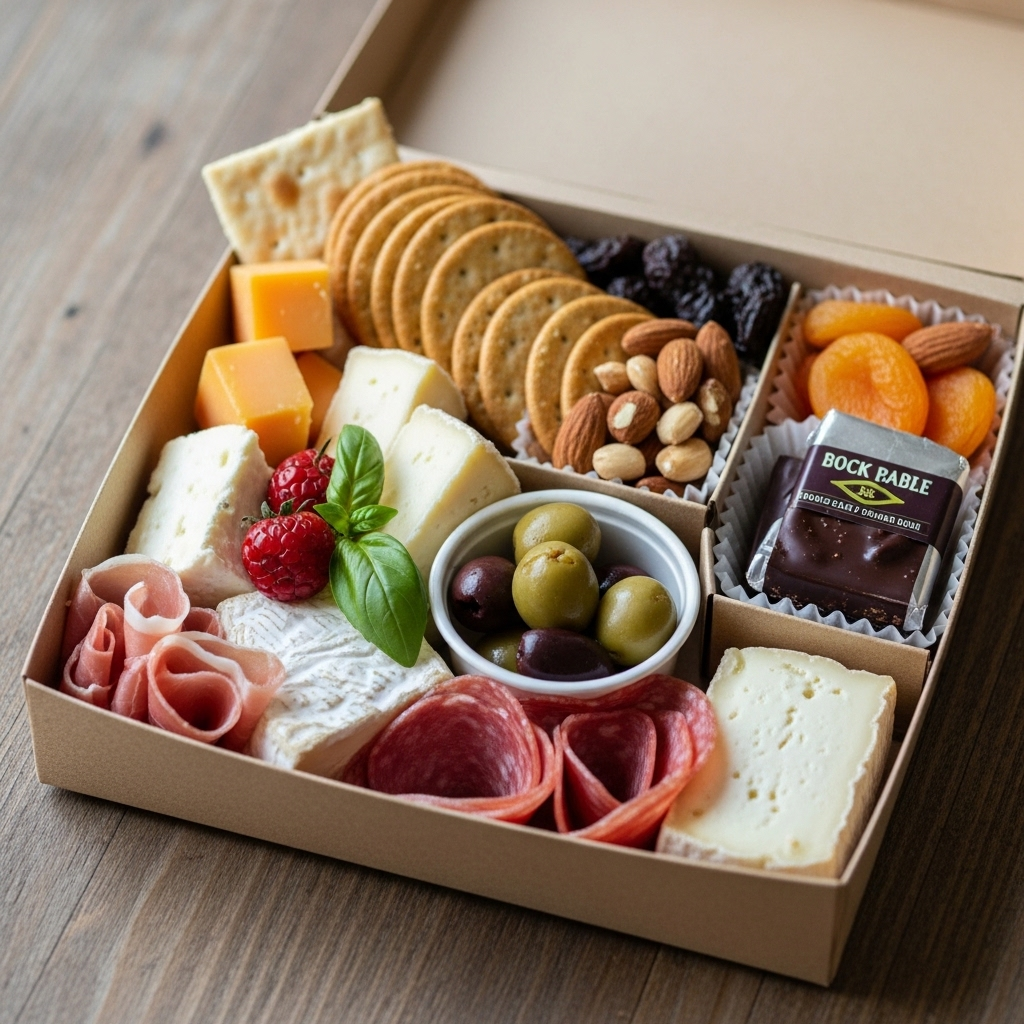
Remember the excitement of peeling back the yellow plastic film of a Lunchable in the school cafeteria? That nostalgic joy was rooted in three things: variety, convenience, and the sheer fun of “assembling” your own meal. As adults, our palates have matured, but our need for a quick, stress-free, and delightful midday break remains the same.
Enter theAdult Lunchable—also known as the “Grown-Up Snack Plate” or “Bistro Box.” This isn’t just a meal; it’s a culinary strategy. It’s the art of the deconstructed charcuterie board, optimized for the office, the commute, or the home desk. By focusing on high-quality proteins, artisanal cheeses, and vibrant produce, we turn a childhood staple into a sophisticated nutritional powerhouse.
The significance of the Adult Lunchable lies in its versatility. It solves the “sad desk salad” dilemma and provides a structured way to hit your macros without the monotony of traditional meal prep. Whether you’re fueling a high-intensity workday or looking for a light, picnic-style dinner, these boxes offer a sensory experience that keeps you satisfied until evening.
2. Recipe Overview
- Cuisine Type:Modern American / Mediterranean Fusion
- Difficulty Level:Easy (No-cook)
- Total Prep Time:15–20 minutes (for 4 portions)
- Dietary Classifications:Highly adaptable (Options for Keto, Vegetarian, Gluten-Free, and Paleo)
3. Equipment and Tools
To master the art of the Adult Lunchable, the vessel is as important as the ingredients. You want a container that prevents your crackers from getting soggy and your grapes from tasting like garlic hummus.
- Bento-Style Lunch Boxes:Ideally 3 to 5 compartments.
- Volume:800ml to 1200ml total capacity.
- Material:Glass (best for freshness) or BPA-free silicone/plastic.
- Silicone Cupcake Liners:Use these as “sub-dividers” for small items like nuts or berries.
- Mini Condiment Containers:1-ounce (30ml) leak-proof jars for dressings or dips.
- Small Paring Knife:For precision slicing of cheeses and fruits.
4. Serving Suggestions
While the beauty of this meal is its “grab-and-go” nature, a few touches can make it feel like a five-star experience.
- Plating:If eating at home, arrange the components on a wooden board to mimic a professional charcuterie spread.
- Garnish:A sprig of fresh rosemary or a sprinkle of microgreens over the hummus adds instant elegance.
- Beverage Pairings:
- Non-Alcoholic:Sparkling water with a squeeze of lime or a chilled hibiscus iced tea.
- Wine (for a weekend brunch):A crisp Sauvignon Blanc or a light-bodied Pinot Noir.
- Side Dishes:If you need more bulk, a simple cup of tomato basil soup pairs perfectly with the cheese and cracker components.
5. Nutritional Information
(Estimated per serving based on a standard Meat, Cheese, and Veggie box)
Health Benefits:
- Satiety:High protein and fiber content prevent mid-afternoon energy crashes.
- Micronutrients:Diverse vegetable selections provide essential vitamins A, C, and K.
- Portion Control:Pre-segmented containers naturally prevent overeating.
6. Storage and Reheating
- Storage:Keep containers airtight. These boxes are designed to be eaten cold, so no reheating is required.
- Refrigeration:Store for up to 4 days. Keep “wet” items (pickles, berries) separated from “dry” items (crackers, nuts).
- Freezing:Not recommended, as the texture of fresh cheese and produce will degrade.
7. Expert Tips and Variations
Professional Chef Tips
- The “Crunch” Rule:Always pack your crackers, nuts, or pretzels in a separate small bag or compartment to ensure they stay crisp.
- Acid is Key:Squeeze a little lemon juice over sliced apples or avocados to prevent browning.
- Temperature Play:If using hard-boiled eggs, ensure they are completely cooled before packing to prevent “storage odors.”
Creative Variations
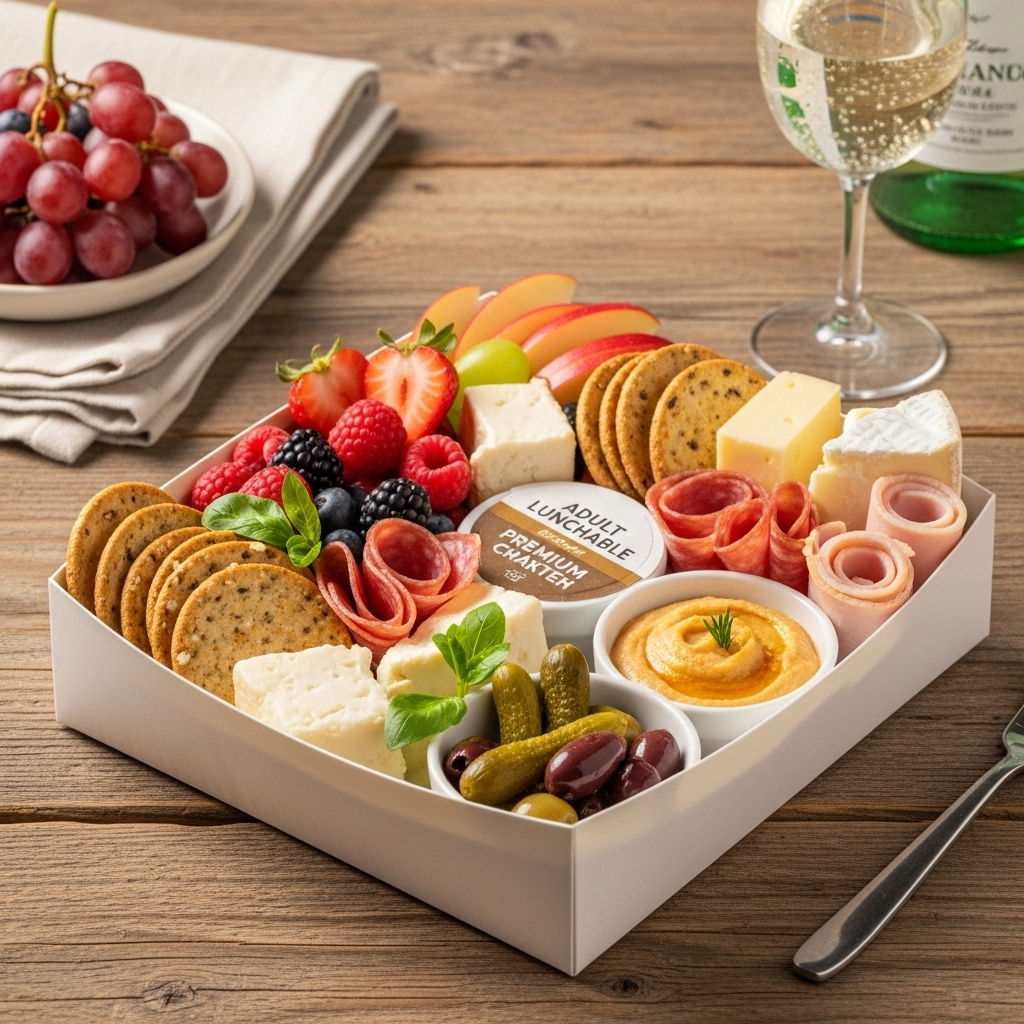
- The Mediterranean Box:Hummus, kalamata olives, cucumber spears, cherry tomatoes, feta cubes, and pita triangles.
- The Protein Powerhouse:Sliced turkey breast, hard-boiled egg, almonds, sharp cheddar, and snap peas.
- The “Antipasto” Special:Salami, prosciutto, marinated artichoke hearts, mozzarella pearls, and breadsticks.
8. Ingredients Section
To createfourdiverse Adult Lunchable portions, source the following high-quality ingredients:
Proteins
- 8 oz (225g)Deli-style smoked turkey or roast beef (Nitrate-free recommended).
- 4 oz (115g)Dry-cured salami or prosciutto.
- 4Large pasture-raised eggs (hard-boiled).
Cheeses
- 4 oz (115g)Aged White Cheddar or Manchego (sliced into triangles).
- 4 oz (115g)Creamy Brie or Goat Cheese logs.
Produce & Fiber
- 2 cupsOrganic snap peas or Persian cucumbers (sliced).
- 1 cupFresh berries (blueberries or raspberries).
- 1 cupRed seedless grapes.
- 4 tbspHummus or Tzatziki.
Crunch & Grains
- 1 boxWhole grain or gluten-free artisanal crackers.
- 1/2 cupRaw walnuts or roasted almonds.
9. Step-by-Step Instructions
Step 1: Prepare the Base Components
Start by washing and thoroughly drying all produce. Excess moisture is the enemy of the lunch box. Hard-boil your eggs (8 minutes for a slightly jammy yolk, 10 minutes for fully firm).
Step 2: Slice with Intention
Cut your cheeses and meats into uniform, bite-sized pieces. Rolling the deli meat (turkey or ham) into tight cylinders makes for a beautiful visual presentation and saves space.
Step 3: The Compartment Strategy
- Main Section:Place your proteins (meat and eggs) and cheese.
- Secondary Section:Add your dense vegetables (carrots, peppers, cucumbers).
- Small Section:Fill with fruits or berries.
- Mini-Cup/Liner:Add your nuts or dip.
Step 4: The “Last-Minute” Additions
Only add the crackers or bread elements if your container has a moisture-proof seal between compartments. If not, place them in a small reusable snack bag.
Step 5: Seal and Chill
Secure the lids and refrigerate immediately. For the best flavor profile, take the box out of the fridge about 10 minutes before eating to let the cheese soften slightly.
10. Frequently Asked Questions (FAQ)
Q: How do I keep my lunchables from getting soggy?A:The secret is drying your produce completely after washing. Use a paper towel to pat down cucumbers and berries. Also, keep crackers in a separate baggie.
Q: Can I make these vegetarian?A:Absolutely! Swap the deli meats for roasted chickpeas, marinated tofu cubes, or extra servings of high-protein nuts and seeds.
Q: What are the best crackers for meal prep?A:Look for “sturdy” crackers like wheat thins, sourdough flatbreads, or seed-based crackers. Avoid thin, buttery crackers as they absorb moisture quickly.
Q: How long do hard-boiled eggs last in the box?A:Once peeled, eggs should be consumed within 2 days for the best taste. If you leave them unpeeled, they can stay fresh for the full 4 days.
Q: Are Adult Lunchables actually healthy?A:Yes, provided you balance the components. Focus on a 2:1 ratio of vegetables to meat/cheese to ensure you’re getting plenty of fiber and nutrients without excessive sodium.