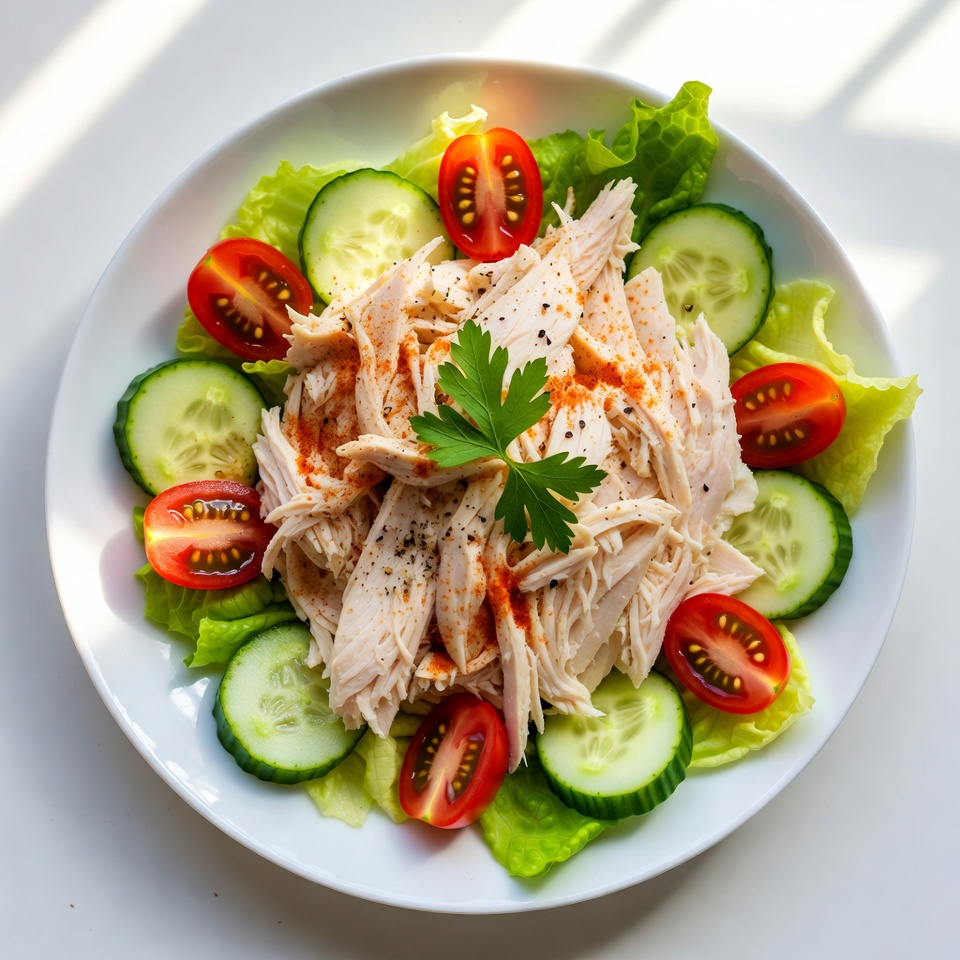
1. Introduction: The Timeless Narrative of the Chicken Salad
There is a quiet, unassuming elegance to a bowl of perfectly prepared chicken salad. It is a dish that evokes memories of sun-drenched garden parties, quiet Sunday luncheons, and the comforting reliability of a well-stocked deli counter. But beyond the nostalgia, chicken salad represents a fascinating culinary evolution of resourcefulness turning into a gourmet staple.
The origin of the modern American chicken salad is often traced back to 1863 in Wakefield, Rhode Island. Liam Gray, the founder of Town Meats, took leftover boiled chicken and mixed it with mayonnaise, tarragon, and grapes. This simple act of “thrifty cooking” transformed surplus ingredients into a luxury item that soon became a mainstay of American cuisine.
What makes chicken salad truly unique is its role as aculinary canvas. While the foundation is poultry and a binder, the variations are a map of cultural preferences. In the Southern United States, you might find a heavy hand of sweet pickle relish and hard-boiled eggs. Across the Atlantic, the British “Coronation Chicken” adds a regal flair with curry powder and dried apricots. In our version today, we focus on theClassic Continental Style: a harmonious balance of savory, creamy, tart, and crunchy that respects the integrity of the chicken while elevating every supporting ingredient.
2. Recipe Overview
Before we dive into the “how-to,” let’s look at the high-level details of this kitchen essential.
- Cuisine Type:American / Contemporary Deli
- Difficulty Level:Easy (Beginner-friendly)
- Total Preparation Time:20 minutes
- Total Cooking Time:15–20 minutes (if starting with raw chicken)
- Total Time:40 minutes
- Dietary Classifications:Gluten-Free, Low-Carb (Keto-friendly), Dairy-Free (if using dairy-free mayonnaise).
3. Equipment and Tools
The secret to professional-grade chicken salad isn’t just the ingredients; it’s the preparation. Proper tools ensure uniform texture and even distribution of the dressing.
- Large Mixing Bowl (4–6 Quart):Stainless steel or tempered glass is preferred. Avoid reactive metals like aluminum, which can impart a metallic taste when interacting with acidic ingredients like lemon juice.
- Chef’s Knife (8-inch):A sharp blade is critical for dicing celery and onions cleanly without crushing their cell walls, which keeps the crunch intact.
- Cutting Board:A large, non-slip wood or plastic board.
- Silicone Spatula:Ideal for folding the dressing into the chicken to ensure every piece is coated without breaking down the tender meat.
- Small Wire Whisk:For emulsifying the dressing ingredients before they hit the chicken.
- Digital Meat Thermometer:Essential if you are poaching your own chicken to ensure a safe internal temperature of165°F (74°C)without overcooking.
- Airtight Storage Containers:Glass containers are best for maintaining a neutral flavor during the chilling process.
4. Serving Suggestions
The versatility of chicken salad is its greatest strength. Depending on how you plate it, it can be a casual snack or an elegant centerpiece.
Plating & Garnishes
- The Croissant Sandwich:Serve a generous scoop inside a toasted, buttery croissant. Garnish with a leaf of fresh Bibb or Butter lettuce for a soft, velvety crunch.
- Lettuce Cups:For a lighter, low-carb option, use large Romaine or radicchio leaves as boats.
- The Avocado Nest:Slice an avocado in half, remove the pit, and fill the cavity with the salad.
- Garnish:A light dusting of smoked paprika provides a color contrast, while a sprig of fresh dill or microgreens adds a modern, gourmet touch.
Pairings
- Sides:Pair with salt-and-vinegar kettle chips, a crisp fruit salad (melons and berries), or a light tomato basil soup.
- Beverages:A chilled glass ofChardonnayor aSauvignon Blanccomplements the creaminess. For non-alcoholic options, a sparkling hibiscus tea or a classic lemonade with fresh mint works beautifully.
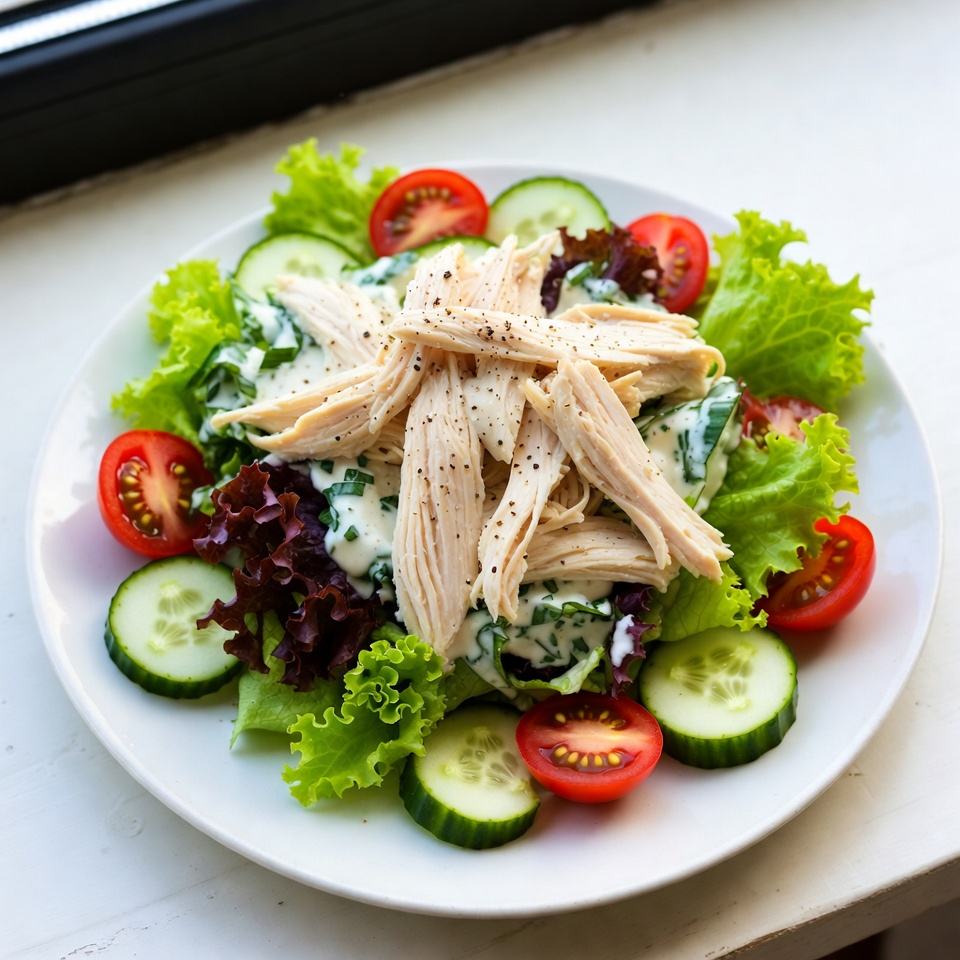
5. Nutritional Information
(Values calculated per 1-cup serving based on standard ingredients)
| Nutrient | Amount per Serving | % Daily Value* |
| Calories | 360 kcal | 18% |
| Total Fat | 22g | 28% |
| Saturated Fat | 3.5g | 17% |
| Cholesterol | 90mg | 30% |
| Sodium | 480mg | 21% |
| Total Carbohydrates | 5g | 2% |
| Dietary Fiber | 1g | 4% |
| Protein | 34g | 68% |
Health Benefits:This dish is a powerhouse of lean protein, essential for muscle repair and satiety. By using avocado oil-based mayonnaise, you can introduce heart-healthy monounsaturated fats.
6. Storage and Reheating
Chicken salad contains perishables (poultry and mayo) that require strict temperature control.
- Refrigeration:Store in an airtight container at or below40°F (4°C). It is best consumed within3 to 5 days.
- Freezing:Not Recommended.Mayonnaise is an emulsion; when frozen and thawed, it “breaks,” resulting in a greasy, separated liquid and rubbery chicken.
- Reheating:Chicken salad is traditionally served cold. If it has become slightly dry in the fridge, fold in a teaspoon of fresh mayo or Greek yogurt to revive the creaminess before serving.
7. Expert Tips and Variations
Professional Chef Tips
- The Chill Rule:Never mix warm chicken with mayonnaise. It will melt the emulsion and make the salad oily. Always chill your cooked chicken to at least room temperature before assembly.
- The “Soak” Method:If you find raw onions too sharp, soak your minced red onions in ice water for 10 minutes, then pat dry. This removes the biting sulfur compounds while keeping the crunch.
- Consistency is Key:Aim for a “Uniform Dice.” If your chicken is in 1/2-inch cubes, your celery should be in 1/4-inch pieces. This ensures no single ingredient dominates the palate.
Creative Variations
- The Orchard Blend:Add 1/2 cup of halved red grapes and 1/4 cup of toasted pecans.
- The Mediterranean:Swap half the mayo for Greek yogurt, add sun-dried tomatoes, kalamata olives, and crumbled feta.
- The Curried Chicken Salad:Add 1 tablespoon of mild yellow curry powder and 1/4 cup of dried cranberries or golden raisins.
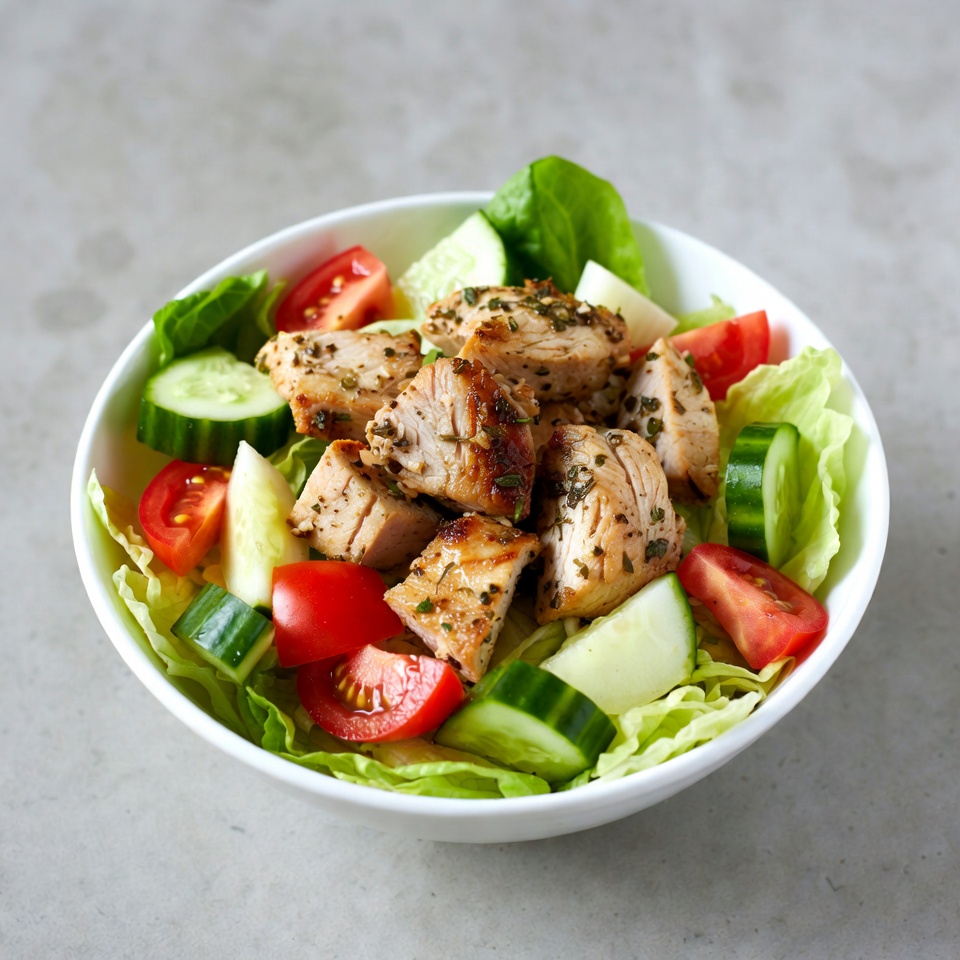
8. Ingredients Section
The Protein
- Chicken Breast:1.5 lbs (approx. 680g). You can use poached, roasted, or rotisserie chicken.
- Sourcing:Look for “Air-Chilled” chicken for better texture and less water weight.
The Crunch & Aromatics
- Celery:2 large stalks (approx. 120g), finely diced.
- Red Onion:1/4 cup (approx. 40g), minced.
- Fresh Herbs:2 tbsp (approx. 8g) chopped fresh flat-leaf parsley or dill.
The Dressing
- Mayonnaise:3/4 cup (175ml). Use a high-quality, oil-based brand.
- Dijon Mustard:1 tbsp (15ml). Adds depth and acts as a secondary emulsifier.
- Lemon Juice:1 tbsp (15ml) fresh-squeezed.
- Salt & Pepper:1/2 tsp Kosher salt and 1/4 tsp freshly cracked black pepper (adjust to taste).
- Garlic Powder:1/4 tsp (optional, for a savory baseline).
9. Step-by-Step Instructions
Step 1: Prepare the Chicken
If not using pre-cooked chicken, poach the breasts in simmering water seasoned with salt, peppercorns, and a bay leaf for 12–15 minutes.
- Visual Cue:The meat should be opaque throughout.
- Technique:Use a meat thermometer to hit165°F. Remove and let it rest until cool.
Step 2: The Prep
Dice the chicken into 1/2-inch cubes or shred it by hand if you prefer a more rustic, “deli-style” texture. Finely dice your celery and onion.
Step 3: Create the Emulsion
In your small whisking bowl, combine the mayonnaise, Dijon, lemon juice, salt, pepper, and garlic powder. Whisk vigorously until the dressing is completely smooth and glossy.
Step 4: The Assembly
Place the chicken, celery, and onions in the large mixing bowl. Pour the dressing over the top.
Step 5: The “Fold”
Using your spatula, use a folding motion (cutting through the center and lifting from the bottom) to coat the chicken.
- Troubleshooting:If the salad looks too dry, add mayonnaise one tablespoon at a time. It should look creamy but not “soupy.”
Step 6: The Marriage of Flavors
Cover the bowl and refrigerate for at least1 hourbefore serving. This is a crucial step where the salt draws out just enough moisture from the celery to meld with the dressing.
10. Frequently Asked Questions (FAQ)
Q: Can I use chicken thighs instead of breasts?
A: Absolutely. Thighs stay moister and have a richer flavor. However, the salad will be slightly higher in fat and the color will be darker.
Q: How can I make this vegan?
A: Use a vegan mayonnaise (typically chickpea or soy-based) and replace the chicken with “chickpea smash”—coarsely mashed canned chickpeas.
Q: My salad is too salty, how do I fix it?
A: Do not add sugar. Instead, add more “bulk”—more chicken or more celery—to redistribute the salt, or a tiny squeeze of extra lemon juice to distract the palate.
Q: Can I make this a day in advance?
A: Yes! In fact, it is often better the next day. Just give it a quick stir before serving to redistribute the dressing.
Q: Why does my chicken salad get watery after two days?
A: This is usually due to the salt drawing water out of the celery. To prevent this, ensure your celery is very dry before dicing, or add the celery just before serving.